
The Impact of 5G on the Digital Transformation of American Cities
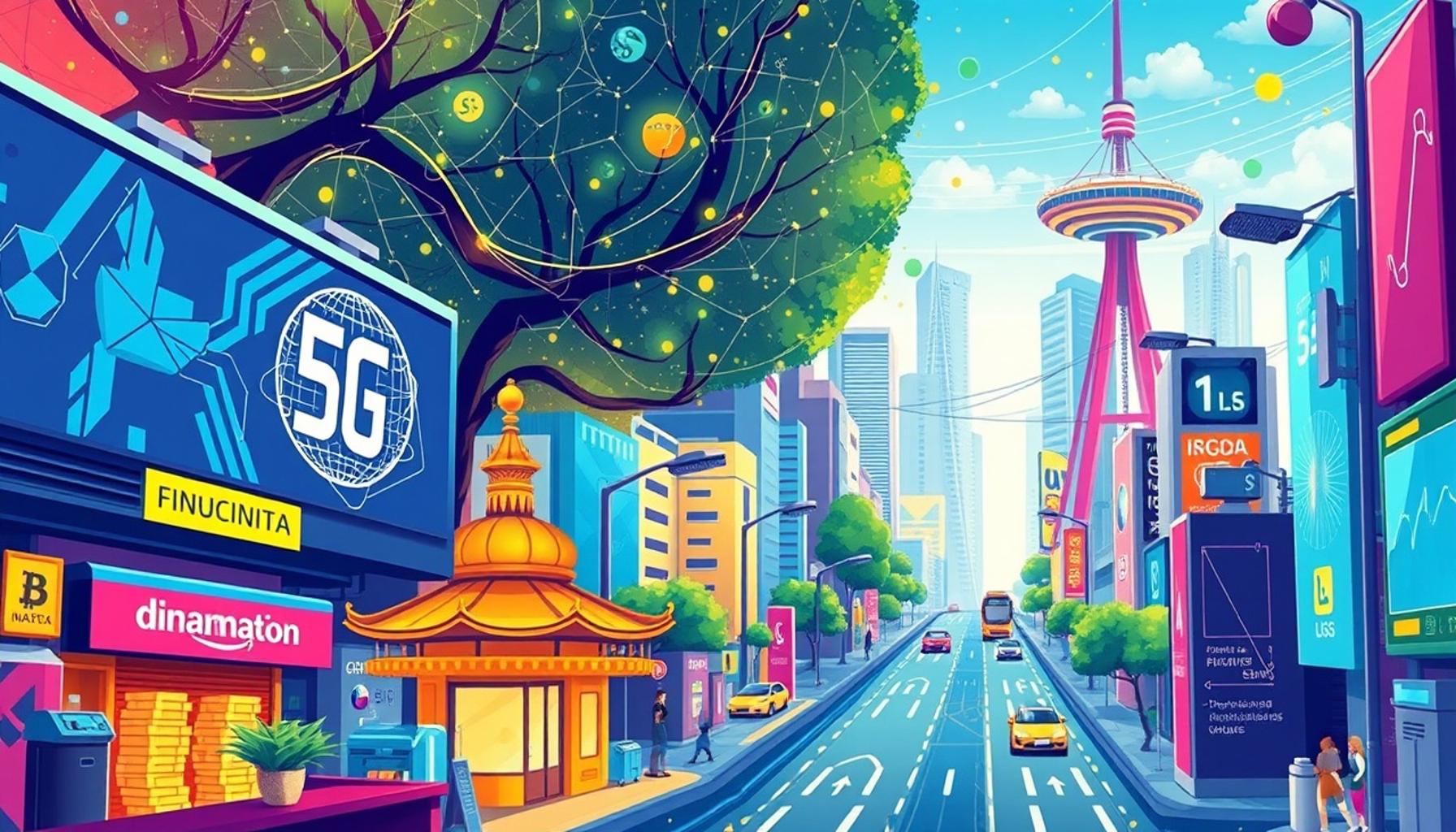
The Impact of 5G Networks on American Cities
As cities across America embrace technological advancements, 5G networks stand out as a game-changer. This next generation of wireless technology is set to revolutionize the way urban areas operate and connect. With its high speed and low latency, 5G opens new doors for innovations in various sectors. The rollout of 5G not only promises faster internet connections but also the ability to connect a myriad of devices seamlessly. Areas that rely heavily on data and connectivity can benefit tremendously from this upgrade.
Key Areas of Impact
Several critical areas are poised to benefit significantly from 5G technology, enhancing both functionality and service delivery in urban settings. Below are some of the key areas where 5G is impacting American cities:
- Smart Infrastructure: Enhancements in public services through Internet of Things (IoT) devices and real-time data analysis can lead to smarter cities. For instance, sensors embedded in traffic lights can optimize traffic flow based on real-time data, reducing congestion and pollution. Smart waste management systems can alert waste collection services when bins are full, ensuring efficient operations and cleaner neighborhoods.
- Public Safety: Improved emergency response can be facilitated through smart surveillance systems and connected vehicles. Imagine a scenario where emergency response teams can receive instant notifications supported by video feeds from drones in real-time, allowing them to quickly assess situations and allocate resources effectively. Police vehicles equipped with data analytics tools can communicate with databases to analyze crime patterns and respond proactively to emerging threats.
- Transportation: The rise of autonomous vehicles and enhanced traffic management solutions stands to ease congestion significantly. With 5G, vehicles can communicate with one another and with traffic systems to avoid accidents and reduce travel times. For example, a connected traffic system could adjust signal timings to manage the flow of vehicles better during peak hours, resulting in a smoother commute for all.
- Healthcare: Telemedicine capabilities enabled by 5G allow for remote patient monitoring and virtual consultations, making healthcare more accessible. Rural areas, in particular, can benefit from this, as patients can consult specialists from the comfort of their homes without the burden of travel. For example, wearable devices can continuously monitor vital signs and transmit data to healthcare providers, ensuring timely intervention when necessary.
Enhancing Quality of Life
These advancements not only improve efficiency but also enhance the quality of life for residents. From reducing traffic jams to facilitating better healthcare services, 5G technology promotes a more connected and cohesive urban experience. However, as American cities adapt to this newfound connectivity, challenges and opportunities will emerge in equal measure. Issues such as cybersecurity risks and data privacy remain concerns that must be addressed.
Understanding the implications of 5G adoption is essential for citizens, policymakers, and businesses alike. With the rapid integration of this technology, being informed will help navigate the upcoming changes and harness the benefits effectively. The future of urban living holds great promise, and embracing these advancements can lead to transformative experiences in daily life.
DISCOVER MORE: Click here to dive deeper
Revolutionizing Urban Services
The implementation of 5G technology in American cities is set to transform various urban services, enhancing the efficiency and effectiveness of how they operate. The high-speed connectivity and minimal latency of 5G networks facilitate seamless communication between devices, leading to smarter systems that cater to the needs of the residents. This transformation is particularly noticeable in key services that form the backbone of urban living.
Smart Utilities
One of the most immediate impacts of 5G can be seen in the utility sector. With the advent of smart grids, energy companies can monitor and manage electricity and water supply much more effectively. For instance, smart meters can provide real-time data on consumption patterns, helping both utilities and consumers make informed decisions about energy usage. This not only contributes to cost savings but also enhances energy efficiency, reducing the carbon footprint of cities.
Additionally, smart water management systems can detect leaks and inefficiencies in the water supply chain in real time. This means quicker response times when issues arise, preventing waste and ensuring that residents receive consistent service. As these technologies evolve, cities can shift towards more sustainable and resilient utility systems, making the best use of available resources.
Connected Education
5G’s influence extends to educational institutions as well. Schools and universities are beginning to leverage this technology for enhanced learning experiences. With faster internet connections, students can access online resources and participate in virtual classrooms more effectively. For example, remote learning platforms can utilize 5G to facilitate smooth video conferencing, allowing students in different locations to engage actively with their peers and instructors.
Moreover, augmented reality (AR) and virtual reality (VR) applications in education become more feasible with 5G. These technologies enable immersive learning experiences that can bring complex subjects to life. Imagine biology students virtually exploring the human body or history students walking through ancient cities—all made possible through improved connectivity.
Civic Engagement and Community Connection
5G technology also fosters enhanced civic engagement and community connectivity. Cities can utilize digital platforms to keep residents informed about community events, city planning, and public services. For example, municipal apps can provide real-time updates about public transportation schedules or changes in city regulations.
- Event Notifications: Residents can receive alerts about local events, workshops, or public meetings, ensuring they are well-informed and able to participate actively in their community.
- Public Feedback Channels: 5G enables platforms where citizens can provide feedback or report issues directly to city officials, promoting transparency and accountability.
With these advancements, the potential for improved civic engagement grows exponentially. As residents become more plugged into their local governments, they can foster a sense of community and belonging that strengthens cities as a whole.
In conclusion, the impact of 5G on American cities is profound, affecting a wide range of urban services that contribute to daily life. As cities continue to adopt these technologies, they not only prepare for a more efficient future but also enhance the overall quality of life for their residents. The exploration of these benefits showcases the transformative power of connectivity in our evolving urban landscapes.
DIVE DEEPER: Click here to discover more
Enhancing Public Safety and Emergency Response
Another significant impact of 5G technology on American cities lies in its potential to enhance public safety and emergency response systems. With its high data transfer rates and low latency, 5G enables real-time communication and data collection, which can be invaluable during emergencies. This capability transforms how first responders operate, allowing for quicker and more efficient responses to incidents.
Smart Surveillance and Crime Prevention
5G networks are set to improve city surveillance systems, making them more responsive and effective. For instance, cities can deploy smart cameras equipped with AI analytics that can monitor live feeds for unusual activities or disturbances. By processing this data in real time, law enforcement can receive immediate alerts, allowing them to respond quicker to potential crimes or emergencies. This not only enhances public safety but also acts as a deterrent to criminal activity.
Furthermore, integrating 5G with other smart technologies, such as drones for aerial surveillance, can provide a comprehensive view of incidents occurring in urban spaces. During natural disasters or large public events, these drones can relay critical information back to central command centers, ensuring that first responders are aware of changing conditions and can adapt their strategies accordingly.
Streamlining Emergency Services
The impact of 5G on emergency services extends beyond improved surveillance. With rapid data transfer capabilities, first responders in the field can access crucial information instantly. For example, when paramedics receive a call for help, they can pull up a patient’s medical history, allergies, and treatments via a secure connection in real time. This access to information can be life-saving, allowing medical personnel to make informed decisions before arriving at the scene.
Additionally, 5G enables more sophisticated communication systems among emergency teams. For example, fire departments can utilize connected wearables that monitor firefighters’ vitals and environment conditions, sending alerts if they are in danger. This critical data can lead to proactive measures to ensure the safety of emergency personnel while improving overall response times.
Disaster Management and Resilience
In terms of disaster management, 5G technology provides critical infrastructure that assists cities in preparing for and responding to natural disasters. For example, cities can utilize IoT sensors scattered throughout urban areas to monitor environmental conditions, such as flooding or seismic activity. Upon detecting significant changes, these sensors can relay data to city officials and emergency services instantaneously, allowing for prompt responses and potentially saving lives.
Moreover, 5G networks can facilitate better communication during crises. When a natural disaster strikes, traditional communication systems may become overloaded or fail. However, 5G’s high capacity can support a larger volume of simultaneous connections, ensuring that residents can receive up-to-date information regarding evacuations, shelters, and recovery services.
Improving Accessibility for Vulnerable Populations
5G’s impact also extends to improving accessibility for vulnerable populations within urban environments. Individuals with disabilities can benefit from advanced technologies that utilize 5G networks, such as smart mobility solutions. For example, real-time public transportation applications can help those with mobility challenges plan their routes better, taking into consideration accessible transport options.
- Smart Crosswalks: 5G can enable crosswalks with integrated sensors that detect pedestrians and signal traffic lights accordingly—ideal for people with visual impairments.
- Emergency Alert Systems: Integrated systems can send alert notifications to those requiring special assistance during emergencies, ensuring no one is left behind.
By enhancing public safety and streamlining emergency services, 5G promises to create urban environments that are not only safer and more efficient but also more inclusive for all residents. As cities continue to embrace this transformative technology, the benefits will pave the way for sustainable and resilient urban spaces across America.
DISCOVER MORE: Click here to dive deeper
Conclusion
The advent of 5G technology marks a significant turning point in the digital transformation of American cities, influencing various aspects of urban life. With its lightning-fast data transfer speeds and ultra-reliable low latency, 5G is reshaping how city services operate, making them more efficient and responsive. From enhancing public safety through smart surveillance and improved emergency response systems to boosting accessibility for vulnerable populations, 5G paves the way for cities to become safer and more inclusive for all residents.
Moreover, as cities leverage 5G to implement Internet of Things (IoT) devices, urban infrastructures will become more resilient and adaptable to the dynamic challenges posed by natural disasters and public health emergencies. The potential for real-time data collection and analysis translates directly into better decision-making, enabling municipalities to ensure quicker responses during crises while allowing citizens to stay informed.
As the United States continues to invest in 5G infrastructure, it is crucial for local governments, businesses, and communities to collaborate closely. By embracing this technology and prioritizing digital equity, cities can lay the groundwork for smarter urban environments that not only meet the needs of their inhabitants but also set a benchmark for sustainable development. Ultimately, the promise of 5G stands to revolutionize American cities, ensuring they are better equipped for the challenges of tomorrow while enhancing the quality of life for all citizens.

Linda Carter
Linda Carter is a writer and expert known for producing clear, engaging, and easy-to-understand content. With solid experience guiding people in achieving their goals, she shares valuable insights and practical guidance. Her mission is to support readers in making informed choices and achieving significant progress.