
Innovations in Green Technology: Sustainable Solutions for Environmental Challenges
Understanding Green Technology
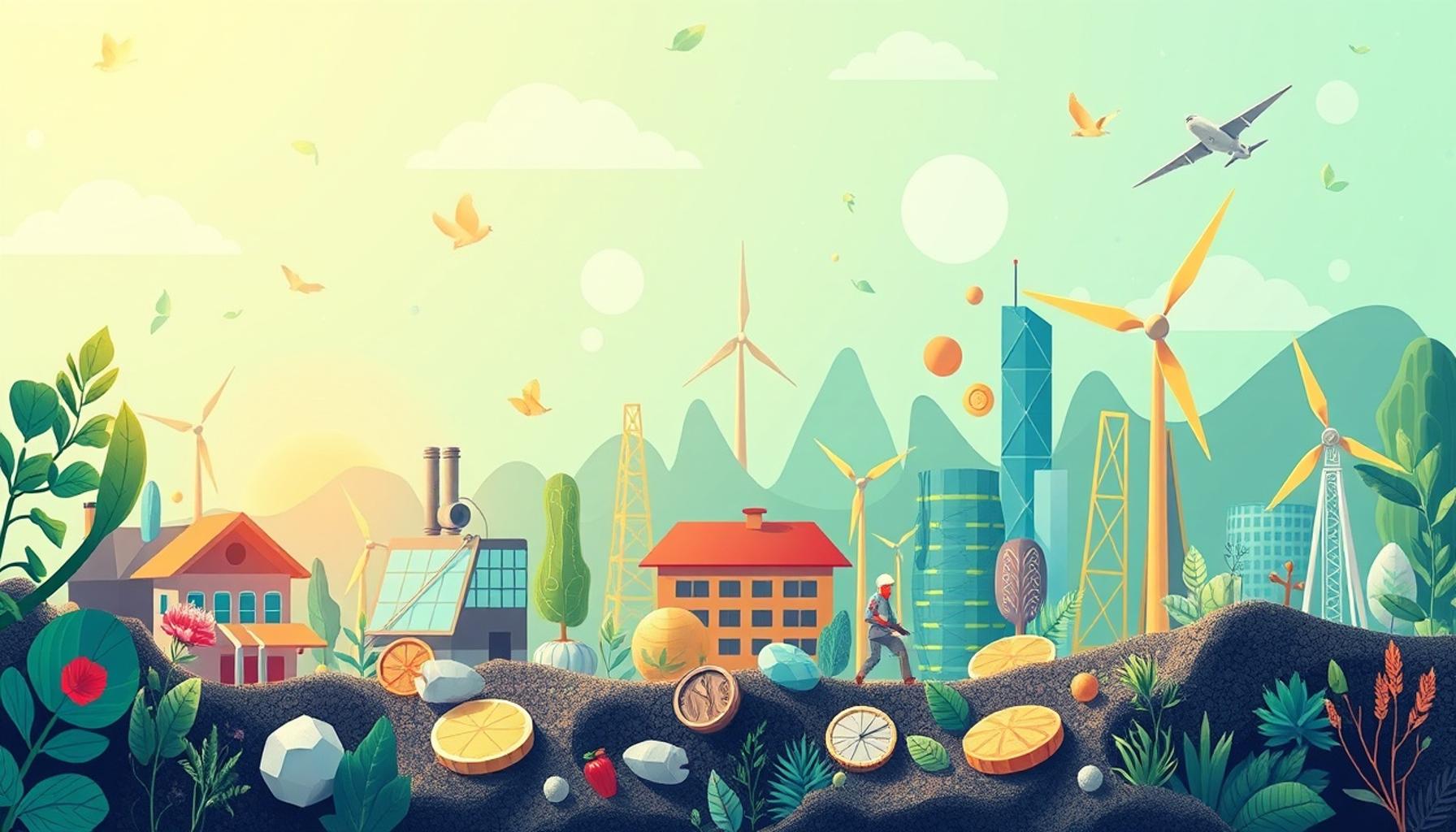
With the growing urgency of environmental issues, the world is witnessing an exciting evolution in how we approach sustainability. Green technology is paving the way for innovative solutions that not only address environmental challenges but also promote a healthier planet. These advancements are crucial as we grapple with changing climate patterns, diminishing natural resources, and pollution-related health problems.
Recent advancements have transformed various sectors, leading to sustainable practices and reduced carbon footprints. One of the most significant shifts has been the integration of environmentally friendly technologies in our everyday lives. Consider the following key innovations:
- Renewable Energy Sources: Technologies like solar, wind, and geothermal energy are at the forefront, making clean energy more accessible. For instance, the installation of solar panels on rooftops has become increasingly common in states like California and Texas, providing homeowners with a source of energy that can significantly reduce their electricity bills while also minimizing strain on the grid.
- Energy-efficient Systems: Smart buildings and appliances that utilize less energy are helping to reduce overall consumption. The rise of energy-efficient appliances, such as ENERGY STAR-certified refrigerators and washing machines, not only lowers energy costs for consumers but also helps in conserving electricity at a national level, reducing the need for fossil fuel combustion.
- Sustainable Agriculture: Techniques such as vertical farming and organic practices are minimizing ecological impact. Vertical farms, which grow crops in stacked layers, can be found in urban areas like New York City. These farms use significantly less space and water while eliminating the need for harmful pesticides, highlighting how technology can transform food production in metropolitan environments.
These innovations not only hold the promise of a greener future but also emphasize the importance of collective responsibility. As individuals and businesses adopt these technologies, they contribute to a sustainable ecosystem, ensuring resources for generations to come. Taking small actions, like incorporating renewable energy solutions or using energy-efficient appliances, can accumulate into significant environmental benefits.
Additionally, individuals can play a role by supporting legislation that promotes environmental sustainability and advocating for community initiatives focused on green technologies. Building awareness and fostering an understanding of these advancements can motivate more people to engage actively in sustainable practices.
In this article, we will explore various facets of green technology, delving into specific innovations and their applications. By understanding the impact of these advancements, we are better equipped to face environmental challenges and contribute positively to a sustainable future.
DIVE DEEPER: Click here to discover the evolution of special effects
Innovative Approaches to Renewable Energy
One of the most transformative aspects of green technology is the rapid development of renewable energy sources. These energy solutions are essential for reducing our reliance on fossil fuels and decreasing greenhouse gas emissions. Among the various renewable energy sources, solar and wind power stand out for their accessibility and adaptability.
Solar energy, for instance, has seen remarkable advancements in efficiency and affordability. The installation of solar photovoltaic (PV) systems has become increasingly popular not only for residential homes but also for large-scale commercial applications. In cities like San Diego, many businesses are opting to install solar panels to harness the abundant sunlight. This shift not only lowers their operating costs but also supports the wider transition to a green economy, significantly diminishing reliance on traditional electricity sources.
Wind energy is another critical player in the renewable landscape. With expansive wind farms established in regions such as the Midwest, states like Texas and Iowa have emerged as leaders in wind energy production. Turbines harnessing wind energy demonstrate the power of nature being converted into clean electricity, providing a sustainable solution to meet energy demands while creating jobs in rural areas.
Energy Storage Solutions
A significant barrier to fully adopting renewable energy sources has been the challenge of energy storage. However, innovations in battery technology are helping overcome these limitations. The development of high-capacity batteries, such as lithium-ion batteries, allows for energy produced by solar panels and wind turbines to be stored efficiently and used when demand peaks, ensuring a steady power supply.
The emergence of large-scale battery systems, like those implemented by companies such as Tesla and LG Chem, demonstrates the potential for reliable energy storage solutions. These systems can not only support homes equipped with renewable energy sources but are also being integrated into the grid to manage fluctuations in energy supply and demand effectively.
Smart Grids and Metering Technologies
Another important innovation in green technology is the advancement of smart grids. These modern electrical grids integrate digital communication technology to monitor and manage electricity flow more efficiently. By using smart meters, consumers can track their energy consumption in real-time, leading to more informed decisions about energy use.
Smart grids enable the integration of renewable energy sources into existing power systems, allowing for better management of resources. For example, if a household produces surplus energy from their solar panels, smart grids can facilitate the sale of this excess energy back to the grid, creating a financial incentive for homeowners to invest in green technology. This not only supports individual households but also contributes to a more resilient and adaptable energy infrastructure.
As we explore further innovations in green technology, it becomes increasingly clear that adopting these sustainable solutions is not just beneficial for the environment but also for the economy. Through government policies, public awareness, and technological advancements, the collective push towards renewable energy and sustainability can reshape our relationship with the planet and ensure a healthier future for generations to come.
DIVE DEEPER: Click here to explore the latest trends
Emerging Technologies in Sustainable Agriculture
Another critical area in green technology involves innovations in sustainable agriculture. With the increasing demand for food production, farmers are seeking ways to enhance productivity while minimizing environmental impacts. Technologies such as hydroponics, aeroponics, and vertical farming represent the forefront of this agricultural revolution.
Hydroponics is a method of growing plants without soil, using nutrient-rich water instead. This technique allows for greater control over growth conditions and can decrease water use by up to 90% compared to traditional farming. For example, urban farms in New York City are employing hydroponic systems to produce fresh vegetables year-round. These farms not only provide local produce to communities but also reduce the carbon footprint associated with transporting food over long distances.
Aeroponics, similar to hydroponics, further enhances efficiency by misting the roots of plants with nutrient solutions in an air environment. This method also minimizes water usage and increases growth rates. Companies such as AeroFarms are leading the way in aeroponic farming, demonstrating how high-density agriculture can thrive in urban settings, ultimately addressing both food security and environmental concerns.
Vertical farming is another innovative approach, where crops are grown in stacked layers, often within controlled indoor conditions. This method allows for high-density cultivation, utilizing less land and providing the potential to grow food in areas with limited arable land, such as cities. An example is the Vertical Harvest farm in Wyoming, which produces fresh greens and herbs while reducing water consumption and eliminating harmful pesticides.
Biotechnology and Sustainable Practices
In addition to these innovative growing methods, biotechnology plays a significant role in addressing agricultural challenges. Advances in genetic engineering are allowing for the development of crops that are more resistant to pests, diseases, and extreme weather conditions. For instance, crops like drought-resistant corn and flood-tolerant rice are being cultivated, helping farmers adapt to the impacts of climate change.
Furthermore, practices like precision agriculture utilize data analytics, remote sensing, and GPS technologies to optimize farming operations. Farmers can monitor soil health, moisture levels, and crop performance in real-time, ensuring that resources are used efficiently. This not only enhances productivity but also reduces the usage of fertilizers and pesticides, promoting environmental sustainability.
Waste Management Innovations
Waste management is another sector tremendously impacted by green technology. The shift towards a circular economy emphasizes reducing waste by reusing and recycling materials. Innovations in recycling technologies involve automated sorting systems that can identify and separate recyclables from general waste more efficiently, improving recycling rates significantly.
Companies like Waste Management are investing in advanced materials recovery facilities that use artificial intelligence to enhance the sorting processes. Additionally, composting technologies are evolving, allowing for efficient converting organic waste into valuable compost, thus enriching soil health and reducing landfill use.
Moreover, anaerobic digestion systems are being adopted to convert organic waste into biogas, a renewable energy source. This process not only produces energy but also generates nutrient-rich fertilizers, further benefiting agricultural practices.
The intersection of technology and environmental stewardship holds great promise for combating the challenges we face today. By embracing these innovations, we not only address our immediate needs but also work towards a balanced relationship with our ecosystems, ensuring a sustainable future for the coming generations.
DISCOVER MORE: Click here to learn how to get free clothes
Conclusion
In summary, innovations in green technology are reshaping the way we approach pressing environmental challenges, from climate change to resource depletion. The advancements in sustainable agriculture—such as hydroponics, aeroponics, and vertical farming—demonstrate how we can produce food efficiently and sustainably, even in urban settings. These methods not only conserve vital resources like water but also reduce our overall carbon footprint.
Additionally, the role of biotechnology in developing resilient crops equips farmers to face the impacts of a changing climate, ensuring that food security can be maintained. The integration of precision agriculture enhances resource management, which promotes ecosystem health while maximizing yields.
Furthermore, the transformation in waste management through technologies like automated sorting and anaerobic digestion embodies the principles of a circular economy, allowing us to reuse materials and minimize waste effectively. These advancements reinforce the notion that sustainability is not just an option, but a necessity.
As we embrace these innovations, we must recognize our collective responsibility to nurture our planet. The journey towards sustainable solutions requires commitment from individuals, businesses, and governments alike. By fostering an awareness of how green technologies can create a healthier environment, we pave the way for a sustainable future that benefits not only our generation but also those to come. Together, we can cultivate a thriving world in harmony with nature.

Linda Carter
Linda Carter is a writer and expert known for producing clear, engaging, and easy-to-understand content. With solid experience guiding people in achieving their goals, she shares valuable insights and practical guidance. Her mission is to support readers in making informed choices and achieving significant progress.