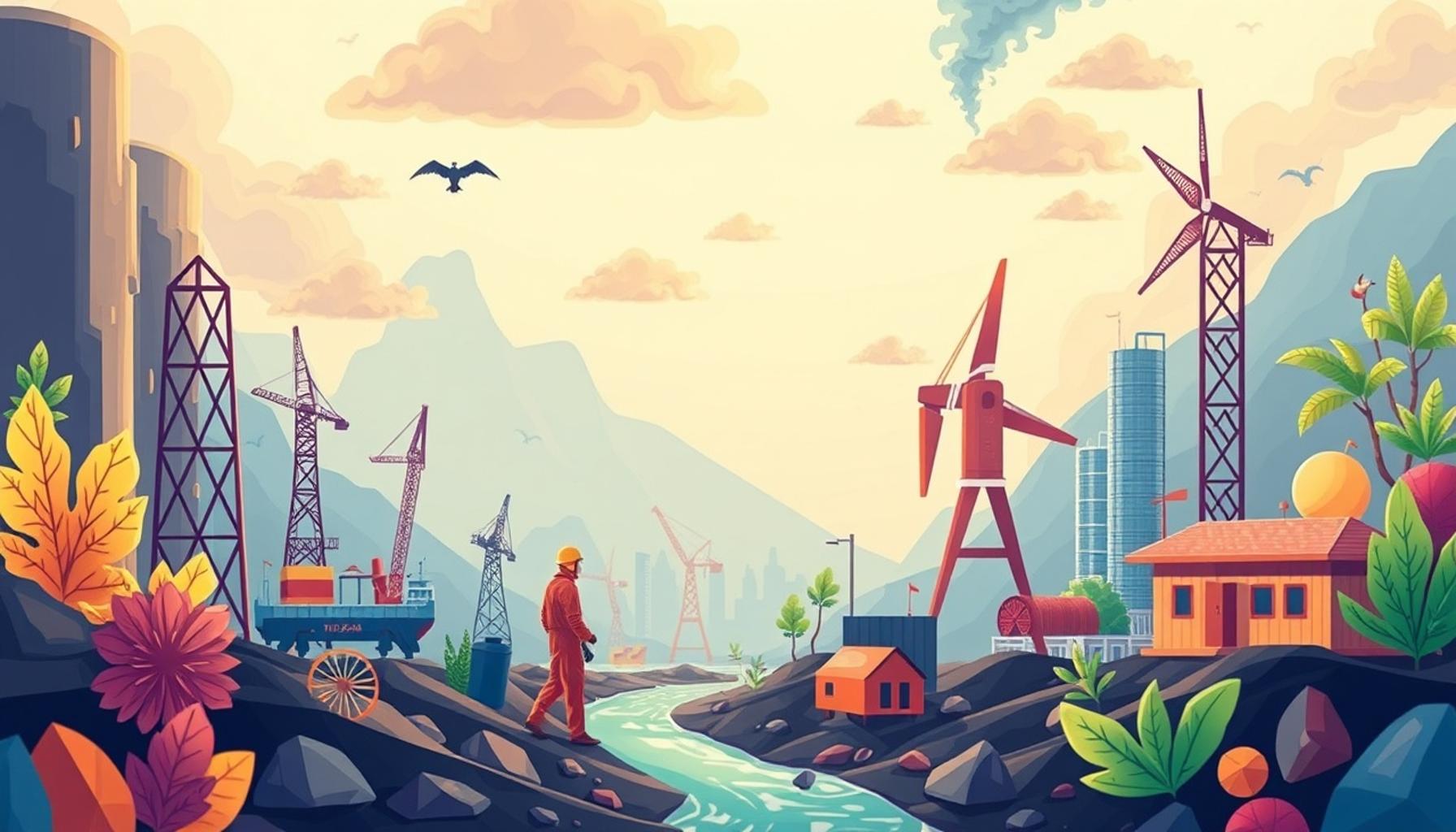
Cinema and Sustainability: Creative Impact of Ecological Innovations in Film Production

Embracing Sustainable Filmmaking
As the urgency for sustainable practices grows, the film industry is embracing ecological innovations like never before. This shift reflects a broader commitment to addressing climate change while producing captivating content that resonates with audiences. Today, filmmakers are harnessing innovative strategies to create films that not only entertain but also align with sustainable values.
- Eco-friendly practices: From using renewable energy sources on set to reducing waste, filmmakers are pioneering methods that lessen their environmental impact. For instance, some productions have begun incorporating solar panels and wind turbines, powering their sets while simultaneously minimizing their reliance on fossil fuels. A notable example is the Netflix original series “The Octopus Teacher,” which filmed on a green set, emphasizing sustainability throughout the production process.
- Sustainable materials: Utilizing biodegradable props and sustainable costumes helps minimize the carbon footprint of film production. Costumes made from organic cotton, recycled materials, or even upcycled fabrics reduce waste significantly. The designers for the film “Mad Max: Fury Road” creatively repurposed materials to create costumes that not only looked stunning but also had a minimal environmental impact.
- Green filming locations: Choosing locations that prioritize ecological preservation contributes to the overall sustainability of the project. Filmmakers are increasingly opting for locations that practice conservation, such as national parks or wildlife reserves. By doing so, they help promote the importance of protecting natural habitats. For example, “Avatar,” which was filmed in various locations in Hawaii, was celebrated for its commitment to preserving the landscapes used in its scenic shots.
The integration of these practices marks a significant departure from traditional filmmaking norms. For example, films like “The Revenant” and “Before the Flood” have gained attention for their commitment to sustainability, illustrating that creativity and conservation can coexist. In “Before the Flood,” actor and environmental activist Leonardo DiCaprio explores the dire consequences of climate change, making the viewer acutely aware of the urgent need for action. By adopting these innovative approaches, the film industry not only leads by example but also inspires audiences to embrace sustainability in their own lives.
In this article, we will explore the creative impact of ecological innovations in film production, showcasing how cinema can serve as a powerful platform for change and awareness about environmental issues. This transformation in filmmaking not only helps protect our planet but also fosters a culture of responsibility within the film community and beyond. By spotlighting ecological efforts in filmmaking, we hope to encourage viewers to consider sustainability in their daily choices, ultimately contributing to a more mindful and environmentally conscious society.
Dive deeper: Click here to explore the impact of cinema on fashion</p
Innovative Practices in Sustainable Filmmaking
The film industry is witnessing a remarkable evolution in its approach to production, with an increasing number of filmmakers prioritizing sustainability without compromising quality or artistic vision. This transformation is driven by a myriad of innovative practices designed to lessen environmental impact while still delivering captivating narratives. Here are some significant ways in which ecological innovations are reshaping the filmmaking landscape:
- Digital Filmmaking Techniques: The shift towards digital technology has revolutionized film production, significantly curtailing the need for traditional film stock, which consumes vast resources and generates waste. By using digital cameras and post-production software, filmmakers can reduce both material waste and energy consumption. An example of this is the film “District 9,” which showcased how digital cinematography could effectively create stunning visuals while minimizing ecological harm.
- Carbon Offsetting Initiatives: Many productions are now engaging in carbon offsetting programs that invest in renewable energy projects or reforestation efforts to counterbalance the emissions generated during filming. For instance, the production of “The Hobbit” partnered with various environmental organizations to ensure their carbon footprint was minimized through effective offset measures, highlighting their dedication to making a positive impact.
- Eco-Conscious Crew Practices: Beyond physical production elements, the culture of sustainability is permeating the crew practices as well. Many films are adopting policies such as zero waste catering, which not only provides localized organic meals but also reduces food waste significantly. “A Wrinkle in Time” is an example where sustainability training was provided for the entire crew, fostering a sense of collective responsibility for environmental stewardship.
These practices are not mere trends; they represent a necessary evolution in how the industry operates. Filmmakers are finding that sustainability can enhance their storytelling, adding authentic layers to their projects while contributing to a better planet. For instance, in the documentary “Our Planet,” which beautifully showcases Earth’s biodiversity, the production team implemented numerous green initiatives, including the use of renewable energy and sustainable materials throughout filming. This commitment not only strengthened the film’s message but also set a new standard for similar projects.
The integration of these innovative practices demonstrates that sustainability can be an intrinsic part of the filmmaking process. As audiences become increasingly aware of environmental issues, the demand for responsible filmmaking is likely to grow. Filmmakers are not just creating art; they are also crafting a narrative that supports conservation and promotes sustainable living. With each innovative step taken, the film industry is paving the way for a future where creativity and ecological responsibility coalesce, thus inspiring audiences worldwide to reflect on their own impact on the environment.
DIVE DEEPER: Click here to discover more about interactive films
Transformative Impact of Sustainable Technologies
The pivotal transformation in the film industry extends beyond traditional filming techniques. The adoption of sustainable technologies is crucial in shaping the future of filmmaking while preserving our planet. These innovations not only address environmental concerns but also enhance production efficiency and audience engagement. Below are several key technological advancements that are making waves in the realm of sustainable filmmaking:
- Renewable Energy Sources: Filmmaking has typically relied on fossil fuels to power equipment and lighting. However, many production companies are now harnessing renewable energy sources like solar and wind. For example, the team behind “The Revenant” utilized solar energy to power their filming sites in remote locations, which significantly reduced their carbon emissions. This not only allowed for a lower environmental footprint but also showcased how attainable sustainable energy solutions can be for filmmakers.
- Sustainable Set Design: Innovative set design practices further contribute to eco-friendly filmmaking. Productions are now prioritizing materials that are either reclaimed or made from renewable resources. The film “Mad Max: Fury Road” is renowned for its sustainable set design, where much of the scenery was constructed using recycled materials, effectively minimizing waste. Such practices ensure that sets not only tell a story but also serve as a testament to ecological responsibility.
- Green Distribution and Marketing: Sustainable filmmaking goes beyond production; it includes the entire lifecycle of a film, from marketing to distribution. Many filmmakers are opting for digital distribution channels to reduce the reliance on physical copies and transportation. The success of streaming platforms like Netflix demonstrates the viability of these methods, which not only lessen environmental impact but also deliver content in a more accessible manner to the audience.
Moreover, the shift in audience expectations is pushing these technological advances to the forefront. Today’s viewers are increasingly inclined to support films that prioritize environmental consciousness. For example, the documentary “Chasing Ice” not only informs audiences about climate change but also incorporated sustainable practices throughout its production. This synergy of engaging storytelling with ecological awareness has not only attracted viewers but also resonated deeply, proving that such narratives can drive societal change.
Furthermore, various industry organizations are recognizing the importance of sustainability in film production, providing guidelines and resources for filmmakers. The Environmental Media Association (EMA), for instance, offers an extensive certification program that encourages productions to adopt green practices effectively. This creates a community where filmmakers can share resources, learn from each other, and ultimately drive forward the sustainability movement within the industry.
As the film industry embraces these transformative technologies, it fosters an environment where creativity flourishes alongside sustainability. Filmmakers are not merely recreating stories for entertainment but are playing a crucial role in educating and engaging viewers on pressing ecological issues. By integrating these advancements, the industry is forging a new path that not only entertains but also inspires action and awareness in the fight against environmental degradation. In doing so, filmmakers are embracing a responsibility that extends beyond the screen and into the hearts and minds of their audiences.
DIVE DEEPER: Click here to discover more
Conclusion
In conclusion, the integration of sustainability into the filmmaking process presents an exciting avenue for innovation and creativity in the cinema world. The efforts to harness renewable energy sources, implement sustainable set design, and utilize green distribution methods reflect a broader recognition of the film industry’s impact on the environment. As filmmakers adopt these ecological practices, they not only reduce their carbon footprint but also reshape the narratives surrounding environmental consciousness in society.
Moreover, the demand from audiences for content that demonstrates a commitment to sustainability is reshaping industry standards. Films that address ecological concerns, such as “Chasing Ice”, serve as powerful reminders that storytelling can raise awareness and inspire change. This strong link between cinematic creativity and ecological responsibility implies that filmmakers have a unique opportunity to educate viewers about critical issues while entertaining them at the same time.
As organizations like the Environmental Media Association (EMA) continue to promote best practices for sustainable filmmaking, it is clear that the path forward will involve collaborative efforts within the film community. By sharing resources and knowledge, filmmakers can build a culture of sustainability that not only enhances their work but also equips future generations of filmmakers to better care for our planet.
Ultimately, the marriage of cinema and sustainability ushers in a new era of filmmaking, where every production can contribute not just to box office success but to a healthier, more aware world. The creative impact of these ecological innovations in film production is profound, paving the way for responsible filmmaking that loves the planet as much as it entertains its audiences.

Linda Carter
Linda Carter is a writer and expert known for producing clear, engaging, and easy-to-understand content. With solid experience guiding people in achieving their goals, she shares valuable insights and practical guidance. Her mission is to support readers in making informed choices and achieving significant progress.