
The Intersection of Fashion and Cinema: How Recent Films Influence Clothing Trends and Consumer Behavior
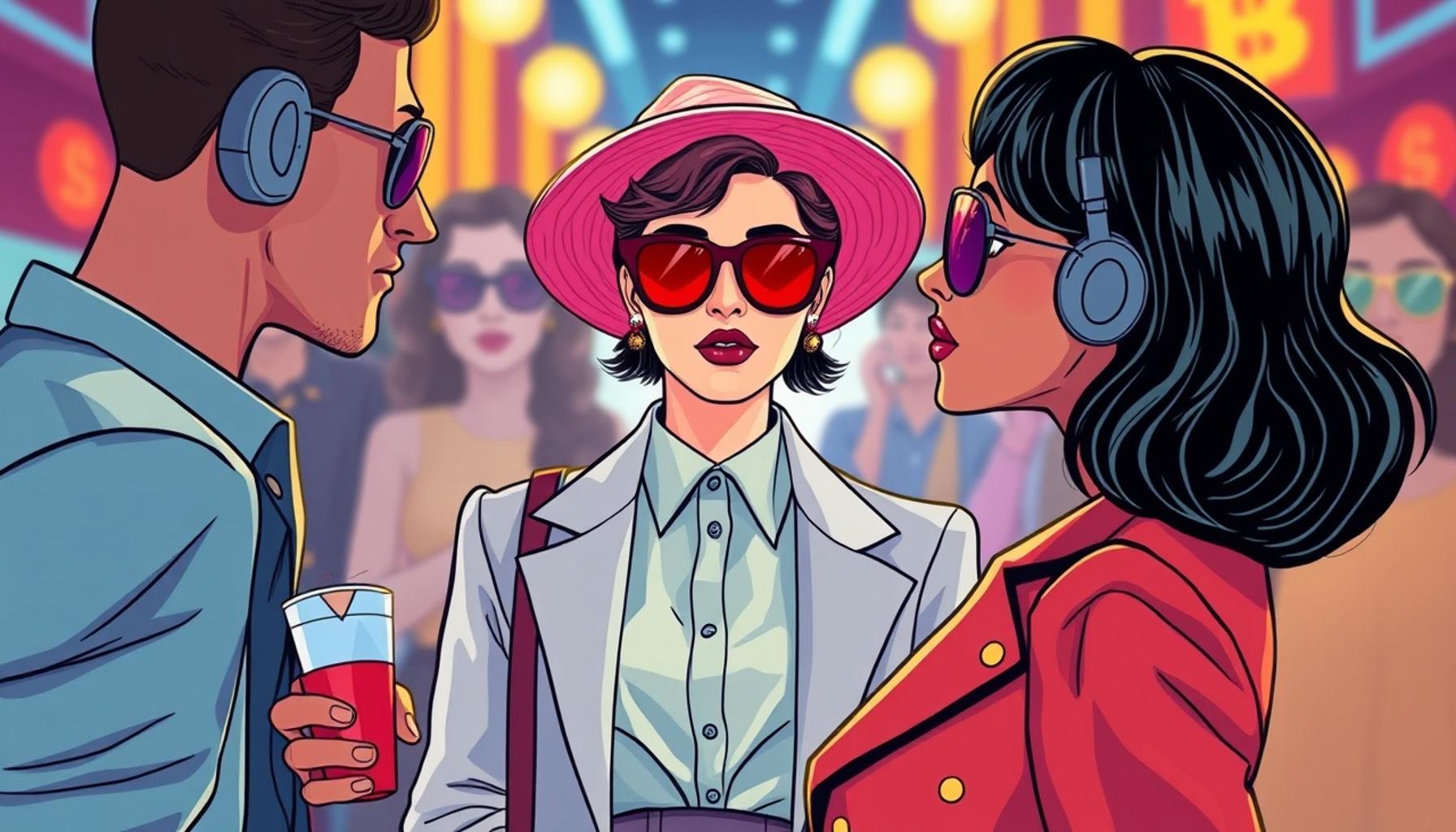
The Intersection of Fashion and Film
Fashion and cinema are intrinsically linked, fostering a symbiotic relationship that not only shapes personal style but also molds societal trends and consumer behavior. When we watch films, we’re often drawn to the clothing worn by characters, which can sometimes reflect or challenge cultural narratives. This dynamic goes beyond mere aesthetic appeal; it profoundly influences how we shop and express our individual identities.
For instance, take the film The Devil Wears Prada. Released in 2006, this movie doesn’t just feature the glamorous world of fashion; it immerses viewers in it. By showcasing high-profile designers such as Prada, Valentino, and Chanel, the film catapulted these names into everyday conversation. This phenomenon created a demand for high-fashion items among the general public, leading to an increase in sales for these brands. Viewers began to emulate the styles of characters like Andy Sachs and Miranda Priestly, who became symbols of ambition and sophistication.
Another powerful example is Black Panther, which dazzled audiences with its vibrant and culturally rich wardrobe. The costumes, heavily inspired by African traditions, showcased an array of tribal prints, intricate beadwork, and bold colors. This film not only celebrated African heritage but also sparked a significant resurgence in ethnic prints and styles across fashion retail. Following its release, consumers saw a spike in the availability of tribal-inspired clothing and accessories, demonstrating a profound shift in purchasing behavior influenced by cinematic storytelling.
Similarly, the hit show Stranger Things played a pivotal role in the resurgence of 1980s fashion. The show’s portrayal of characters wearing vintage jeans, bold graphic tees, and colorful scrunchies resonated with a diverse audience. This not only revived interest in thrift shopping but also ignited a wave of nostalgia-driven fashion that led many retailers to restock 80s-inspired clothing. Youths and adults alike began to embrace this retro style, illustrating the way cinema can transport audiences back in time and influence contemporary fashion choices.
The collaboration between fashion designers and filmmakers is crucial in creating these styles. Designers often work closely with costume departments to craft wardrobes that complement the characters and storyline, ensuring the fashion resonates with viewers. As we explore further, we will delve into:
- How film characters become cultural style icons
- The role of social media in amplifying fashion trends originating from cinema
- The shifts in consumer behavior fueled by cinematic fashion
Join us on this journey as we unravel the compelling interplay between fashion and cinema, illustrating how they shape not just what we wear, but how we see ourselves in the world today.
DISCOVER MORE: Click here to learn about the changing landscape of film distribution
The Influence of Film Characters as Style Icons
Film characters often take on a life of their own, becoming cultural icons that resonate with audiences far beyond the screen. These characters not only represent the narratives of their stories but also embody specific styles that can inspire viewers’ wardrobes. When a character makes a striking fashion statement, it has the potential to alter trends and influence consumer purchasing decisions.
One of the most enduring examples of this phenomenon can be seen in the character of Holly Golightly from the classic film Breakfast at Tiffany’s. Holly’s iconic little black dress, designed by Hubert de Givenchy, has become synonymous with elegance and sophistication. The influence of this character transcends generations; even today, women seek to emulate her style for formal events and special occasions. This enduring appeal demonstrates how a single character can immortalize a fashion choice, resulting in increased demand for similar garments.
Moreover, contemporary films have continued the tradition of making style statements through their characters. For instance, the female leads in the Marvel Cinematic Universe have started to shape discussions around both fashion and empowerment. Characters like Black Widow and Captain Marvel have showcased strong, bold styles that reflect both functionality and femininity. As these characters take center stage, their fashionable costuming highlights that personal style can be an extension of one’s identity and strength, making them relatable and aspirational figures for audiences.
As characters become style icons, the ripple effect on the fashion industry can be profound. Designers and brands often capitalize on this influence by creating collections inspired by film wardrobes. For instance, after the success of La La Land, many brands released collections emulating the vintage attire worn by the characters, ranging from 1950s-style dresses to tailored suits. This not only provides fans with the opportunity to channel the film’s aesthetic but also encourages them to interpret and incorporate these styles into their everyday wardrobe.
To explore this connection further, there are specific elements that illustrate how film characters become style icons:
- Character Development: The clothing often mirrors the character’s journey, giving audiences a visual representation of their growth and evolution.
- Design Collaboration: The collaboration between costume designers and high-fashion brands creates recognizable looks that resonate with the audience.
- Cultural Relevance: Characters often reflect current societal trends and issues, making their wardrobe choices impactful and relevant.
In summary, as film characters emerge as influential style icons, their fashion choices can redefine trends and inspire viewers’ shopping behaviors. This intricate dance between cinema and fashion reveals how storytelling not only shapes our perspectives but also guides us in expressing our identities through clothing.
DISCOVER MORE: Click here to learn how soundtracks shape perceptions
The Role of Cinematic Aesthetics in Shaping Fashion Trends
Beyond individual characters, the overall cinematic aesthetics of a film play a crucial role in influencing fashion trends. The visual styles, color palettes, and settings featured in films can create an entire mood that resonates with viewers and inspires designers. This interplay between visual storytelling and fashion is often evident in how filmmakers select and curate wardrobes that align with the narrative’s tone and period.
For example, the film The Great Gatsby reintroduced the elegance of the 1920s, showcasing opulent costumes that included flapper dresses and dapper suits. Costume designer Catherine Martin skillfully highlighted the glamour of the era, prompting a resurgence in vintage styles in real-world fashion. Retailers quickly capitalized on this trend, leading to increased sales of beaded gowns and stylish headbands that echoed the film’s aesthetic. As a result, many consumers sought to recreate the lavish lifestyle portrayed on screen through their own fashion choices.
Moreover, the emotional tone of a film can also dictate fashion trends. For instance, the enchanting visuals of La La Land, combined with its nostalgic nod to classic Hollywood, prompted a revival of bright colors and retro silhouettes. The film’s aesthetic appealed to audiences seeking optimism and joy, leading to an uptick in vibrant clothing and accessories in stores. This phenomenon illustrates how the mood conveyed in films can directly reflect in consumer behavior, with shoppers increasingly drawn to items that evoke similar feelings of happiness or nostalgia.
Another significant factor to consider is the social media impact of films on fashion trends. With platforms like Instagram and TikTok, fashion influencers and fans have the power to amplify a film’s aesthetic and wardrobe choices. When a movie becomes popular, followers often share their interpretations of the characters’ outfits, creating a ripple effect as more individuals want to emulate these looks. This phenomenon has been particularly evident with films featuring strong visuals and memorable wardrobes, such as Sex and the City: The Movie, where Carrie Bradshaw’s ensembles sparked endless discussions and recreations across social media platforms.
This dynamic exchange between cinema and fashion extends to merchandising collaborations as well. Movie studios frequently partner with fashion brands to create capsule collections that align with a film’s themes. For instance, the collaboration between Disney and various designers for their animated films has led to collections that allow fans to wear their favorite characters’ styles. This fusion of cinema and fashion offers a tangible way for fans to connect with the films they love, thereby driving up consumer interest and sales.
As evident from these examples, the aesthetic choices in films not only contribute to the storytelling experience but also serve as a significant influence on contemporary fashion trends. Audiences are drawn to the artistry displayed on screen, which, in turn, shapes their clothing choices and purchasing behavior, creating a continuous cycle of inspiration and influence between cinema and the fashion industry.
DIVE DEEPER: Click here to explore the evolution of cinematic marketing
Conclusion
In conclusion, the intersection of fashion and cinema represents a vibrant and ever-evolving relationship that shapes both clothing trends and consumer behavior. As we have explored, films not only showcase captivating wardrobes but also evoke emotions and narratives that resonate deeply with viewers. The impact of cinematic aesthetics can be observed in how audiences adopt styles they see on screen, transforming the way they express their identities through fashion.
The examples highlighted in our discussion, such as the revival of vintage elegance from The Great Gatsby and the vibrant energy of La La Land, illustrate the profound influence of film on contemporary trends. As emotional connections to specific styles deepen, consumers actively seek out clothing that reflects the sentiments conveyed by their favorite films. Moreover, the rise of social media amplifies this effect, allowing fashion lovers to share and recreate these cinematic looks, thus fostering a community centered around shared aesthetics and inspirations.
Furthermore, the strategic collaborations between film studios and fashion brands underscore the commercial potential of this relationship, creating unique opportunities for fans to engage with cinematic styles in a tangible way. As such, understanding the interaction between cinema and fashion not only enriches our appreciation of both art forms but also offers valuable insights into consumer behavior in a rapidly changing marketplace.
Ultimately, as films continue to evolve and connect with audiences, we can expect the dialogues between fashion and cinema to persist, guiding trends and shaping the way we perceive and enact personal style today.

Linda Carter
Linda Carter is a writer and expert known for producing clear, engaging, and easy-to-understand content. With solid experience guiding people in achieving their goals, she shares valuable insights and practical guidance. Her mission is to support readers in making informed choices and achieving significant progress.