The Evolution of the Internet of Things (IoT) and Its Role in Everyday Connectivity
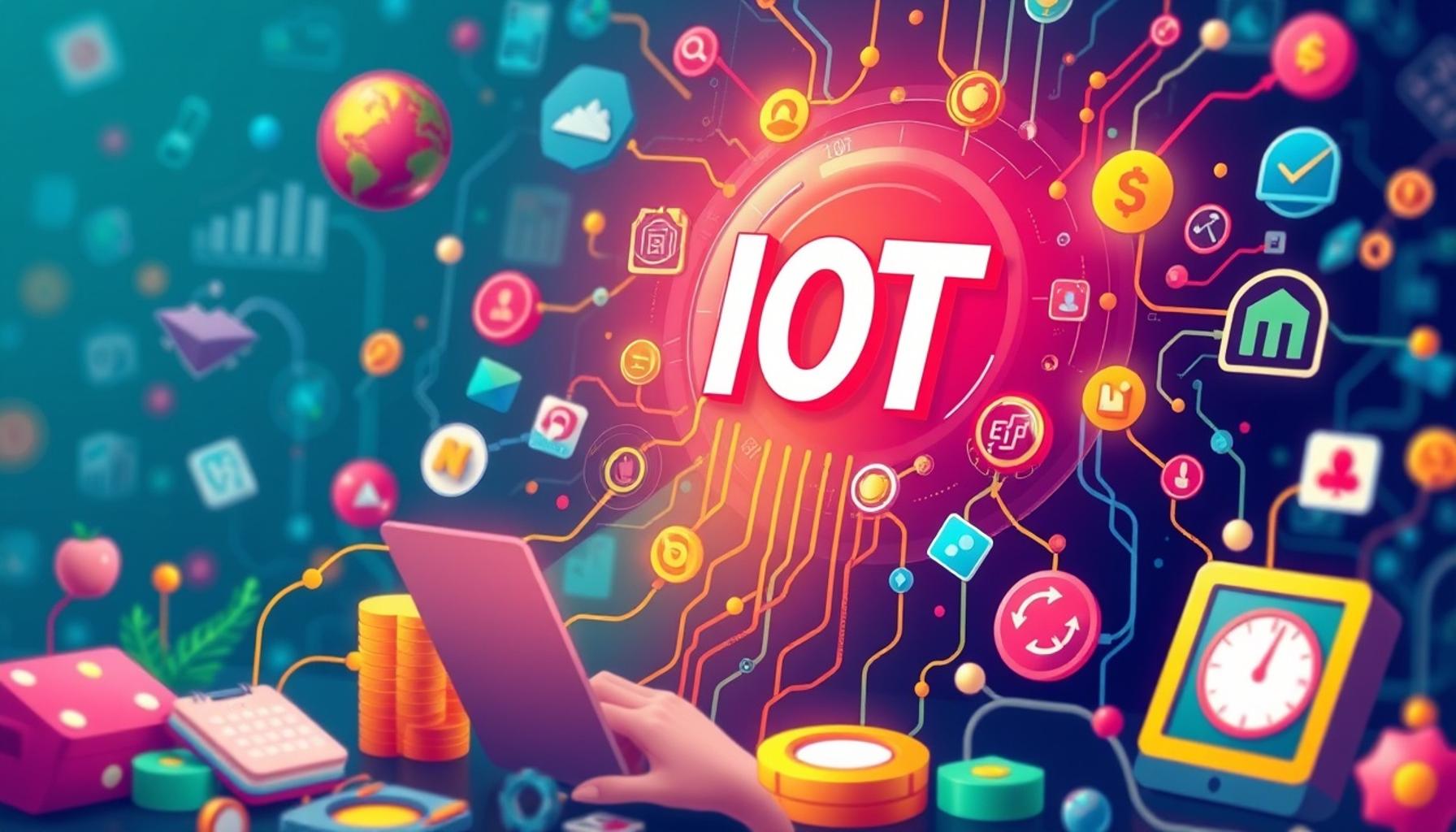
Understanding the Internet of Things
The Internet of Things (IoT) has transformed how we interact with technology in our daily lives. This innovative concept enables various devices to connect and communicate, creating a seamless network that enhances convenience and efficiency. By integrating everyday objects with the internet, IoT not only improves user experiences but also drives significant advancements across numerous industries. Let’s delve deeper into the evolution of IoT, its impact, and the remarkable developments shaping our world today.
Evolution of IoT Technology
Over the years, IoT has evolved significantly, leading to notable developments that enhance our daily interactions with technology. Some of the most impactful advancements include:
- Smart Home Devices: Products like smart thermostats (e.g., Nest), smart lights (like Philips Hue), and smart security systems (such as Ring) allow homeowners to control their environments from their smartphones. These devices not only provide convenience by enabling remote control but also enhance energy efficiency, potentially saving consumers money on utility bills.
- Wearable Technology: Devices such as smartwatches (like the Apple Watch) and fitness trackers (such as Fitbit) have revolutionized health monitoring. They track vital statistics like heart rate and step count, giving users real-time feedback about their health. This immediate access to health data has encouraged many to lead healthier lifestyles, with features such as step challenges and guided workouts promoting physical activity.
- Connected Vehicles: The automotive industry has embraced IoT through features that enhance safety and convenience. Modern cars come equipped with systems that provide navigation assistance, real-time traffic updates, and safety alerts for potential hazards. Some vehicles even offer self-parking technology, showcasing how interconnectedness can simplify tasks traditionally requiring human skills.
Broader Impact of IoT
This evolution not only enhances personal convenience but also significantly impacts broader sectors such as healthcare, agriculture, and manufacturing. In healthcare, connected devices like remote monitoring systems allow patients to keep track of their vital signs and share data with medical professionals in real-time, facilitating timely interventions. Similarly, in agriculture, IoT technologies enable farmers to monitor soil conditions and optimize resource use, leading to improved crop yields and sustainable practices.
Manufacturing also benefits through IoT by enabling predictive maintenance of machinery, which minimizes downtime and reduces costs. Sensors can detect potential issues before they become serious, allowing businesses to operate more efficiently and maintain high production standards.
The Importance of Understanding IoT
Understanding the journey of IoT is crucial because it reveals how interconnected devices can lead to improved functionality and user experience. As we delve deeper into this topic, the influence of IoT on our daily lives will become increasingly apparent. By grasping the potential of these technologies, we can better adapt to the changes they bring, making informed decisions about their integration into our everyday routines.
In summary, the Internet of Things represents a transformative wave of innovation that is shaping not just individual lifestyles but also entire industries. Embracing this change promises not only enhanced convenience but also a future where data-driven insights enhance our quality of life.
DISCOVER MORE: Click here to learn how telemedicine is changing the game
The Journey of IoT: From Concept to Reality
The evolution of the Internet of Things (IoT) can be traced back to the early days of the internet itself. Initially, the focus was on connecting computers to share information, but as technology advanced, the potential for connecting everyday objects became apparent. Early innovations, such as RFID (Radio Frequency Identification) tags, laid the groundwork for IoT by allowing objects to be identified and tracked electronically. Today, this foundational technology has been expanded to create a vast network of smart devices that interact with each other and with us.
Milestones in IoT Development
To understand the current landscape of IoT, it’s essential to highlight some key milestones that have marked its development:
- The Birth of Smart Devices: In the late 1990s, the first internet-connected appliances were introduced. For instance, a toaster that could be turned on remotely via the internet demonstrated the fledgling idea of connectivity in household objects.
- The Launch of IPv6: The introduction of IPv6 in 2012 was a significant turning point. This protocol vastly increased the number of available IP addresses, allowing billions of devices to be connected to the internet, paving the way for the explosive growth of IoT.
- The Rise of Cloud Computing: As cloud technology matured, it offered greater storage and processing capabilities, enabling more complex IoT applications. Cloud computing also facilitated the collection and analysis of vast amounts of data generated by connected devices, enhancing their functionality.
- The Proliferation of Mobile Technology: With the widespread adoption of smartphones, users gained the ability to control IoT devices directly from their pockets. This connectivity further bridged the gap between technology and everyday life, making IoT more accessible and user-friendly.
These milestones represent not just technological advancements but also shifts in how we perceive connectivity. IoT has transitioned from being an abstract concept to a practical reality, influencing everything from household management to industrial processes.
Impact on Daily Life and Industries
Today, the impact of IoT is evident in various aspects of everyday life and across multiple industries. For example:
- Smart Home Integration: Home automation systems are now commonplace, allowing users to manage lighting, heating, and security through applications on their smartphones or voice-controlled assistants like Amazon Alexa and Google Assistant.
- Logistics and Supply Chain: In retail, IoT technology streamlines inventory tracking and delivery processes. This not only reduces costs but also improves customer satisfaction by ensuring timely deliveries and accurate stock levels.
- Healthcare Innovations: Remote patient monitoring devices enable healthcare providers to track patients’ health metrics in real-time, leading to proactive care that improves patient outcomes.
As the capabilities of IoT continue to expand, so does its role in enhancing the connectivity and efficiency of our everyday lives. With each advancement, the potential for innovation becomes greater, ushering in a future where our environments are increasingly interconnected and responsive to our needs.
DIVE DEEPER: Click here to discover how to get free clothes on Shein
Transforming Industries: The Broader Impact of IoT
The transformative power of IoT extends well beyond individual daily conveniences; it is reshaping entire industries and redefining how businesses operate. This revolutionary technology has permeated sectors such as agriculture, manufacturing, transportation, and energy, driving significant efficiency gains, improved resource management, and enhanced decision-making capabilities.
IoT in Agriculture: Smart Farming
Agriculture, often referred to as one of the oldest professions, is being redefined by IoT through the concept of “smart farming.” Sensors embedded in the soil provide farmers with data regarding moisture levels, nutrients, and pH. By leveraging this real-time information, farmers can optimize watering schedules and fertilizer applications, ultimately leading to sustainable farming practices. For instance, a farmer using an IoT-based irrigation system can measure soil moisture levels through sensors and only water crops when necessary. This not only conserves water but also significantly increases crop yield and quality.
Manufacturing: Industry 4.0
The rise of IoT has ushered in the era of Industry 4.0, where smart technologies drive automation and data exchange in manufacturing. With interconnected machines, businesses can monitor production lines in real-time, facilitating predictive maintenance and minimizing downtime. For example, a manufacturing plant equipped with IoT sensors can predict when a machine is likely to fail, allowing operators to perform maintenance proactively rather than reactively. This enhances productivity, reduces operational costs, and improves overall equipment effectiveness.
Transportation and Mobility: Smart Logistics
The logistics industry has also embraced IoT, transforming how goods are transported and tracked. Fleet management systems utilize IoT technology to provide real-time vehicle tracking, monitor fuel consumption, and optimize routing. For instance, logistics companies can utilize GPS-enabled IoT devices to reduce delays by finding alternative routes based on traffic conditions. Additionally, shipment containers outfitted with temperature and humidity sensors ensure that sensitive products, such as pharmaceuticals, remain in optimal conditions during transportation, thereby maintaining their integrity.
Energy Management: Smart Grids
In the energy sector, IoT is paving the way for smart grids, which integrate various energy sources while allowing consumers to monitor and manage their energy consumption. Smart meters installed in homes provide real-time data on energy usage, enabling families to make informed decisions about their consumption habits, potentially leading to lower bills. Energy providers can also predict demand fluctuations and adjust supply accordingly, thereby increasing efficiency and decreasing waste. For example, during peak times, they can incentivize users to reduce their energy usage in exchange for lower rates, effectively balancing the grid.
As IoT continues to evolve, it is critical to acknowledge the potential challenges that accompany this swift transformation. Issues surrounding data security and privacy need to be addressed to ensure that consumers and businesses alike can trust these interconnected devices. Nonetheless, the trajectory of IoT indicates a future in which our world is not only interconnected but also more efficient, sustainable, and responsive to our needs.
DISCOVER MORE: Click here to dive deeper
Conclusion: Embracing the Future of IoT Connectivity
The evolution of the Internet of Things (IoT) marks a paradigm shift in how we connect and interact with our environment. As we have seen, IoT is not just a collection of smart devices; it represents an intricate network that enhances connectivity and fosters efficiency across various sectors. From smart farming that aids agricultural advancements to the Industry 4.0 revolution in manufacturing, IoT plays a crucial role in reshaping industries by streamlining processes and optimizing resource use.
Moreover, the impact of IoT on everyday life cannot be overstated. The integration of smart technology in homes, transportation, and energy management is creating more responsive and sustainable living environments. For instance, families can now monitor their energy consumption in real-time, leading to informed decisions that can reduce costs and environmental footprints.
However, as we embrace the promise of IoT, it is imperative to remain vigilant regarding challenges such as data security and privacy. As devices become more interconnected, safeguarding our personal and sensitive information must be a top priority. By fostering an environment of trust and transparency, we can fully leverage the benefits of IoT.
In conclusion, the Internet of Things is set to continue its evolution, making our lives more convenient, efficient, and interconnected. By keeping abreast of technological advancements and addressing potential pitfalls, we can ensure that IoT ultimately contributes to a brighter, more connected future for everyone.

Linda Carter
Linda Carter is a writer and expert known for producing clear, engaging, and easy-to-understand content. With solid experience guiding people in achieving their goals, she shares valuable insights and practical guidance. Her mission is to support readers in making informed choices and achieving significant progress.