How to Create Multicultural Content to Engage Diverse Audiences in the Philippines
Understanding the Diversity of the Philippines
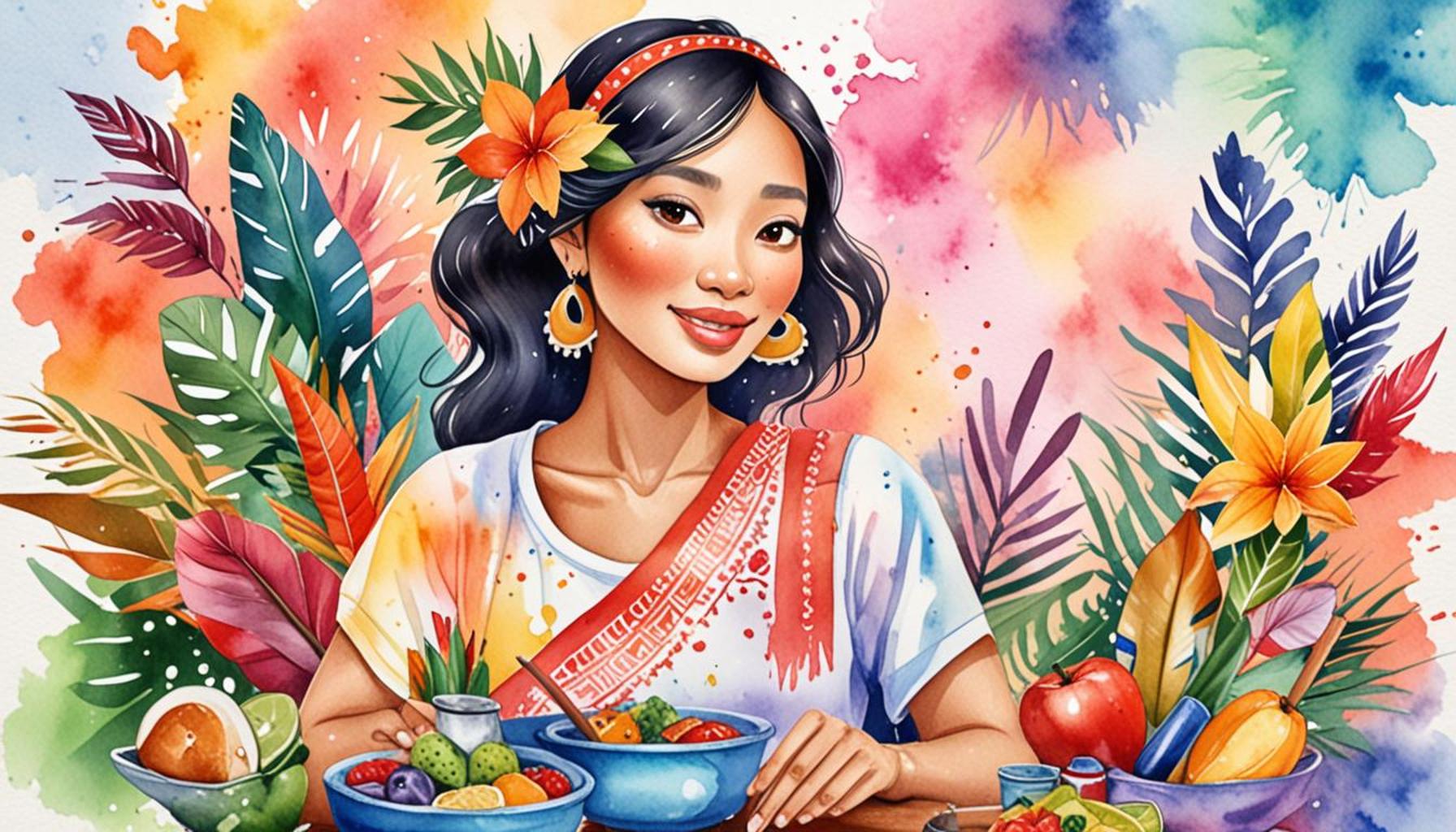
The Philippines is a vibrant tapestry woven from a multitude of cultures, languages, and traditions that reflect its complex history. With over 175 linguistic groups, the country is home to a wealth of dialects, each representing unique identities and histories. For instance, Tagalog, Cebuano, Ilocano, and Hiligaynon are prominent languages, but numerous other dialects exist, enriching local stories and community ties. Engaging effectively with such a diverse audience is an art that requires a deep understanding of the nuances that define their experiences and expressions.
The Power of Multicultural Content
When crafted thoughtfully, multicultural content serves as a bridge that fosters understanding and relationships among diverse groups. It has the ability to:
- Enhance connection and empathy through relatable narratives that draw from shared values.
- Encourage inclusivity by authentically representing various communities and their unique narratives, thus creating an environment where everyone feels acknowledged.
- Boost brand loyalty by producing messaging that resonates with individual experiences, forging a deeper emotional connection with audiences.
By paying homage to the different Filipino cultures, values, and traditions, brands massively increase their chances of striking a chord with the populace. This engagement not only fosters a sense of belonging but also amplifies the potential for storytelling, inviting audiences to become active participants in the narrative.
Key Elements to Consider
Crafting content that accurately reflects the melting pot that is the Philippines involves several key considerations:
- Utilizing local dictionaries allows for the use of native expressions and phrases, lending authenticity to the messaging far beyond the traditional scripts.
- Incorporating various cultural symbols and festivities, such as the vibrant Sinulog Festival in Cebu or the colorful Ati-Atihan in Aklan, can evoke pride and familiarity, captivating local audiences.
- Engaging local influencers can provide authentic voices that resonate more deeply than generic messaging, as these figures often reflect the culture and values specific to their communities.
Exploring these elements helps brands create a more effective strategy for multicultural content creation. As you delve deeper into the rich tapestry of Filipino culture, you’ll uncover countless opportunities to engage and connect with audiences in meaningful and impactful ways. By truly understanding the diversity present in the Philippines, brands can become not just voices in the crowd, but pillars of the community, enriching the cultural landscape while delivering compelling narratives that invite everyone to join in on the conversation.
RECOMMENDED: Check out this similar article
Creating Authentic and Engaging Multicultural Content
In an age where cultural sensitivity is paramount, creating multicultural content in the Philippines requires strategic thoughtfulness that goes beyond mere translation. Content needs to resonate with diverse backgrounds, making individuals feel seen and appreciated. A foundational step in this creative process is to conduct thorough research. By immersing oneself in the cultural nuances of various groups, content creators can design messages that are not only relatable but also respectful of local customs and values.
Moreover, employing a collaborative approach is essential. Collaborating with local cultural consultants and teams ensures that content reflects true sentiments rather than relying on preconceived notions. Engaging with communities allows for an open dialogue about what they value and the stories they wish to be told. These collaborations can take many forms, including:
- Focus groups: Gather insights from diverse neighborhoods to gauge how different communities perceive specific messages.
- Surveys and polls: Use these tools to understand cultural preferences and trends that might influence content effectiveness.
- Community events: Participate in local gatherings to observe traditions, celebrate festivals, and engage with potential audiences in meaningful ways.
A prime example of adapting content to various cultural contexts in the Philippines can be seen in the way brands commemorate significant holidays. For instance, during Fiesta season, companies often tailor their marketing campaigns to reflect the vibrant celebrations and community spirit that characterize these events. Using festival-specific visuals and storytelling techniques enhances audience connection, as they relate personally to what they see and hear.
Language as a Tool of Engagement
Language plays a pivotal role in engagement. Utilizing regional dialects not only adds a layer of authenticity to content but also fosters trust and loyalty among various audiences. For instance, incorporating Cebuano phrases in a campaign targeting the Visayas region can significantly elevate its reception. This deliberate use of language shows respect for local customs and acknowledges the diversity that exists within the nation.
Moreover, digital platforms offer enormous potential for spreading multicultural content. With increased internet penetration across the archipelago, brands can leverage social media to distribute region-specific narratives widely. Pairing relatable stories with cultural references relevant to specific audiences creates an atmosphere where people feel compelled to interact with the brand. This approach not only enhances social currency but opens up pathways for meaningful conversations.
In summary, cultivating multicultural content demands a commitment to understanding the Filipino landscape’s complexities. From engaging with local voices to honoring diverse languages, every step taken towards creating inclusive narratives contributes to a broader dialogue, building strong relationships with varied audience segments. By recognizing and celebrating the rich tapestry of Filipino culture, brands can enhance their storytelling approach, making it not just a process of communication but a journey towards deeper connection and understanding.
| Category | Key Features |
|---|---|
| Cultural Relevance | Incorporating local languages and customs |
| Diverse Representation | Utilizing diverse voices and perspectives |
| Engagement Strategies | Interactive content that resonates with various groups |
| Visual Inclusivity | Use of images and themes that reflect multiculturalism |
To effectively create multicultural content that engages diverse audiences in the Philippines, it is crucial to ensure cultural relevance. This means not only incorporating local languages into your messaging but also embracing the richness of various customs and traditions. Understanding the local context can transform a simple message into a powerful narrative that resonates deeply with its audience.Another significant aspect is diverse representation. This involves the inclusion of multiple voices and perspectives in your content. By bringing in narratives from different cultural backgrounds, your content can foster a sense of belonging and validation among diverse groups. In addition to cultural relevance and representation, implementing effective engagement strategies is essential. This could include interactive content formats, such as polls, quizzes, and user-generated content, that encourage participation and dialogue among audiences from various backgrounds.Moreover, visual inclusivity plays a vital role in creating appealing content. The choice of images and themes that reflect the Philippines’ rich multicultural tapestry enhances relatability and connection with your audience. This attention to visual detail makes your content not just informative but also enjoyable and engaging. By focusing on these key elements, your content can have a meaningful impact, encouraging a broader understanding and appreciation of the diverse cultures within the Philippines.
CHECK OUT: Click here to explore more
Utilizing Visual Storytelling to Connect with Diverse Cultures
Beyond language and textual narratives, visual storytelling emerges as a powerful medium to engage multicultural audiences in the Philippines. Images, videos, and graphics can convey sentiments and messages that transcend linguistic barriers, capturing the intricacies of diverse cultures. The use of imagery that reflects the unique traditions, festivals, and ways of life found across different regions can foster empathy and recognition, making content more relatable.
For instance, when showcasing the rich cultural heritage of the Lumad communities in Mindanao, brands can utilize photographs and videos that highlight traditional practices, clothing, and landscapes. This approach not only respects and honors these cultures but also encourages a sense of belonging among the audience. The key lies in finding genuine stories that reflect the lived experiences of specific communities, thereby creating content that feels authentic and relevant.
Influencer Collaborations for Greater Reach
Collaborating with local influencers can provide invaluable insights into diverse audience segments while expanding the reach of multicultural content. Influencers possess an innate ability to connect with their followers, making their endorsements and shared narratives more impactful. By partnering with influencers from various cultural backgrounds, brands can gain access to different fanbases and enhance their credibility.
For example, a campaign featuring traditional Ilocano foods could be amplified by collaborating with a popular food blogger from Ilocos Norte. Such alliances create a bridge between brands and communities, ensuring that the messages delivered are authentic and culturally sensitive.
Additionally, influencers often have a pulse on evolving trends, helping brands stay ahead in terms of what resonates with their audience. They can offer advice on culturally appropriate messaging and visuals, ensuring that campaigns do not inadvertently offend or misrepresent the cultural contexts they engage with.
Celebrating Inclusivity Through Community Involvement
Engaging with local communities not only fosters a deeper understanding of diverse cultures but also enhances the sense of ownership and representation. Brands can create opportunities for community involvement through initiatives such as workshops, cultural exchanges, and collaboration on content creation. Inviting community members to share their stories and participate in the messaging process strengthens relationships, ensuring accurate representation and mutual respect.
Campaigns focusing on inclusivity, such as those celebrating Pride Month or showcasing stories of women from various backgrounds, can encourage dialogue and promote acceptance. By highlighting the lived experiences of marginalized communities, brands can contribute to building a more inclusive narrative that resonates with broader audiences.
Furthermore, partnering with local non-profit organizations to support community causes can further enhance brand reputation and cultural sensitivity. By aligning marketing efforts with local initiatives, brands demonstrate their commitment to contributing positively to society while earning the trust of their audiences.
In summary, the effective creation of multicultural content harnesses the power of visual storytelling, influencer partnerships, and community involvement. These elements not only create engaging narratives but also foster a sense of appreciation and respect for the rich diversity inherent in Filipino culture. As brands embrace this multifaceted approach, they pave the way for meaningful connections with diverse audiences, transforming marketing into a shared cultural journey.
YOU MAY ALSO LIKE: Read read another article
Conclusion: Embracing Diversity to Forge Lasting Connections
In a nation as culturally rich as the Philippines, creating multicultural content is not just a marketing strategy; it’s a pathway to fostering understanding and unity among diverse audiences. By embracing the elements of visual storytelling, leveraging local influencers, and engaging directly with communities, brands can craft narratives that resonate on personal and cultural levels.
As the Philippines continues to evolve into a melting pot of traditions, ideologies, and stories, it becomes imperative for marketers to remain attuned to these dynamics. Taking the time to research and understand the nuances of different cultures will enhance brand credibility and ultimately create authentic relationships with consumers. Moreover, celebrating inclusivity not only enriches brand identity but also cultivates a community spirit that reflects the values of the Filipino people.
As you embark on your journey to develop multicultural content, consider how your brand can contribute to a broader dialogue. This approach not only elevates your messaging but also strengthens community ties. Finally, remember that at its core, marketing is about connection. When brands take a genuine interest in the stories, dreams, and challenges of diverse audiences in the Philippines, they don’t just capture attention—they earn trust and loyalty.
In conclusion, the potential to create impactful multicultural content lies in the willingness to listen, learn, and engage wholeheartedly, paving the way for a more inclusive and vibrant narrative that will resonate across generations.

Linda Carter
Linda Carter is a writer and financial expert specializing in personal finance and financial planning. With extensive experience helping individuals achieve financial stability and make informed decisions, Linda shares her knowledge on the our platform. Her goal is to empower readers with practical advice and strategies for financial success.