
The impact of Social Media on Social Mobilization and Community Causes in the Philippines
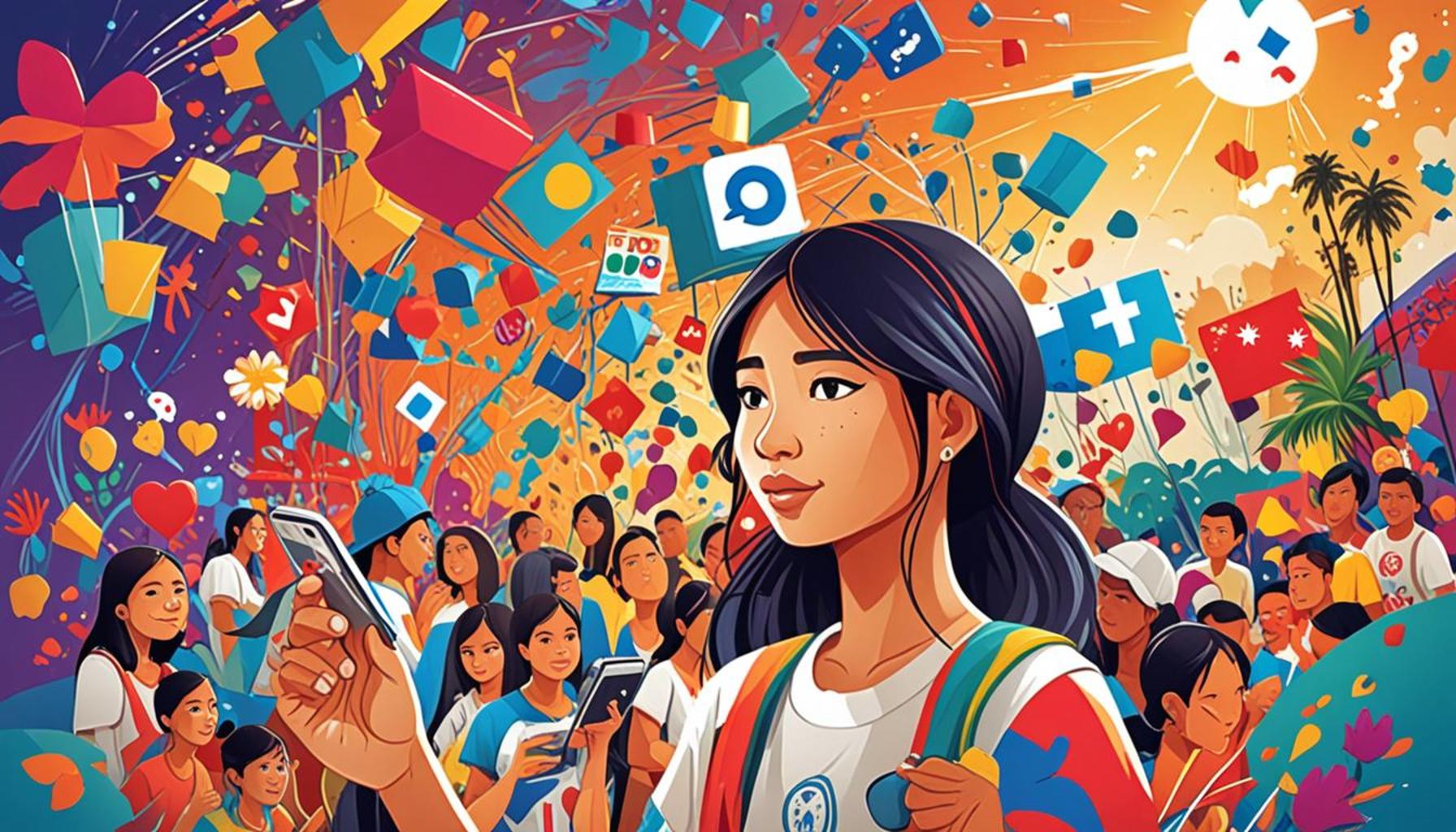
Shifts in Community Mobilization
The landscape of community mobilization in the Philippines has been notably transformed by social media, which serves as both a tool for connection and a platform for activism. In a society characterized by rich cultural diversity and a multitude of social issues, leveraging technology for collective action has become increasingly essential. Here, we delve deeper into the multifaceted impact of social media on community engagement in the country.
Enhanced Connectivity
Social media platforms such as Facebook, Twitter, and Instagram have greatly enhanced connectivity among Filipinos, uniting voices from different walks of life. This unprecedented level of engagement allows individuals to come together for a common cause, bridging the gap between urban and rural communities. For instance, grassroots partnerships can emerge in response to local issues, such as inadequate healthcare or educational resources, leading to collaborative initiatives that might never have been feasible without such digital connectivity. Local organizations can now tap into national and international networks, amplifying their message while garnering support that can go beyond geographical boundaries.
Rapid Information Dissemination
One of the striking features of social media is its capability for rapid information dissemination. During critical events, such as natural disasters, real-time updates can alert communities to urgent needs and mobilize assistance almost instantaneously. The aftermath of Typhoon Haiyan, which devastated several regions in 2013, exemplified this phenomenon. In just a matter of hours, social media became a lifeline, providing platforms for people to share updates about affected areas, shelter availability, and resource needs, showcasing the indispensable role of technology in crisis management.
Diverse Participation
Indeed, social media has democratized participation in civic discourse, enabling various demographics, including the youth and marginalized communities, to voice their concerns more boldly. Movements like the campaign for clean water access have harnessed hashtags and online petitions to galvanize support. Initiatives like #BantayBuhay, which arose to address human rights issues, illustrate how individuals can become advocates through their digital presence. These movements showcase the significance of inclusivity in the fight for social justice, as more voices contribute to the national conversation about pressing social issues.
Driving Civic Engagement
The influence of social media extends beyond mere awareness; it transforms ordinary citizens into active participants in civic engagement. Regular online interactions not only raise awareness but can also trigger real-life actions, such as organizing community clean-ups or advocacy campaigns directed at local government units. This newfound agency empowers communities, making them integral players in seeking constructive solutions to the challenges they face.
As Filipino communities increasingly leverage this digital landscape, understanding its implications on social mobilization becomes crucial. While the opportunities are boundless, there are also practical challenges, such as misinformation or the potential for digital divide disparities that can hinder effective engagement. Thus, recognizing both the benefits and pitfalls of social media will shape the future of activism in the Philippines.
In conclusion, the interplay of technology and community engagement represents a dynamic landscape for social causes in the Philippines. As we continue to explore and harness the potential of these digital tools, it becomes imperative to foster an informed, active citizenry capable of advocating for change, paving the way for a more equitable society.
YOU MAY ALSO LIKE: Read read another article
Empowering Local Voices
In recent years, social media has become a powerful force in empowering local voices across the Philippines. With over 76 million active social media users, Filipinos have harnessed these platforms not only to share personal updates but also to advocate for significant social change. Through the shared experience of social media, grassroots movements have blossomed, leveraging technology to enact positive change within their communities.
Mobilizing for Social Causes
Filipinos have effectively utilized social media as a spearhead for mobilization, particularly in addressing pressing social causes such as environmental advocacy, poverty alleviation, and women’s rights. Campaigns like “#SavePalawan” have rallied thousands in opposition to destructive mining practices, reflecting a unified front that spans even the most remote areas. These hashtags become virtual battle cries, urging not just awareness but action, thereby bringing together those who share a commitment to preserving their local ecosystems.
The Rise of Online Activism
The phenomenon of online activism has gained momentum, with citizens exploiting social media to drive civic action. Notably, the “#YouthForClimate” movement has emerged as a formidable force, connecting young advocates nationwide striving for climate justice and sustainable practices. Through viral videos and compelling narratives, activists amplify their message, invoking a sense of urgency that resonates with many Filipinos.
Community Initiatives and Support Systems
Social media’s role in fostering community initiatives cannot be overstated. The traditional barriers of distance and time are dismantled as initiatives like community pantries and fundraisers spread virally. For instance, during the COVID-19 pandemic, community-driven projects such as “#BayanihanBaggage” arose, allowing neighbors to assist one another through donations of essential goods. This demonstrated how social media could effectively strengthen community bonds and create resilience amidst crisis. Key components of these initiatives include:
- Collaboration: Different organizations partner to address community needs, often leveraging social media for promotion.
- Resource Mobilization: Quick access to information about available resources enables faster community responses.
- Awareness Campaigns: Advocacy efforts are enhanced through creative content, garnering broad public interest.
Moreover, social media platforms have also facilitated a supportive arena for discussing sensitive topics, such as mental health and rights of marginalized groups, allowing community members to feel less isolated. This extension of support serves to break down stigma and promotes collective action towards inclusion.
As social media continues to shape the dynamics of community mobilization in the Philippines, it is crucial to remain cognizant of the responsibilities that come with this technology. Navigating issues like misinformation and online harassment is essential to ensure that the platforms remain safe spaces for genuine dialogue and activism. By illustrating the strides made thus far, Filipinos can pave the way for more effective social mobilization strategies that truly serve the diverse needs of their communities.
The Role of Social Media in Community Engagement
Social media has transformed the landscape of social mobilization in the Philippines, acting as a powerful tool for advocacy and community causes. As a result, grassroots movements have gained momentum, fostering a sense of unity and shared purpose among citizens. In this digital age, platforms like Facebook and Twitter serve not just as social networking sites but as digital town halls, where significant issues can be aired and discussed.In the Philippines, social media campaigns have effectively raised awareness about pressing community issues, such as environmental degradation, poverty alleviation, and human rights. For example, the viral spread of hashtags related to the campaign against extrajudicial killings galvanized citizens to rally in protest, engaging a new wave of activists who utilize digital tools to mobilize support. Moreover, social media allows organizations and community leaders to disseminate vital information quickly, addressing urgent needs during natural disasters or public health crises. The ease of sharing updates and mobilizing assistance exponentially increases the participation of individuals willing to help or get involved, thus amplifying collective action.Local non-profit organizations have also capitalized on this trend by utilizing social media to gather support, raise funds, and recruit volunteers. Engaging storytelling through video content and live streams has the potential to forge deeper connections with their audience, making it easier to rally support for community causes. Consequently, the impact of social media continues to shape the socio-political fabric of the Philippines, empowering citizens and enhancing their ability to influence change.
The Challenges of Social Media Influence
However, the influence of social media on social mobilization is not without its challenges. Misinformation can spread just as swiftly as positive messages, leading to confusion and division among communities. The prevalence of fake news can undermine legitimate causes and distract from important issues, complicating the mobilization process. As such, critical media literacy becomes essential for users to discern credible information.Furthermore, there is the risk of digital fatigue among users, where the barrage of information may cause individuals to disengage from active participation. Activism that relies heavily on social media can also become performative, where individuals might prioritize online engagement over tangible, on-the-ground efforts.Despite these challenges, the potential benefits of social media in fostering social mobilization and supporting community causes in the Philippines are profound. As technology continues to evolve, the interplay between social media and activism will remain a crucial area for further exploration and understanding.
LEARN MORE: This related article may interest you
Transforming Advocacy Through Digital Platforms
The emergence of digital platforms has fundamentally transformed the landscape of advocacy in the Philippines. Social media, in this context, serves as a conduit through which various nonprofit organizations and citizen-led groups can amplify their efforts, reach wider audiences, and create actionable change. The vast connectivity offered by social media not only enhances visibility but also encourages public participation in community causes. Various platforms, from Facebook to TikTok, have become mediums where social issues can be discussed and addressed.
Grassroots Campaigns Making Waves
Grassroots campaigns have found their footing in the digital realm, often igniting movements that spread like wildfire. The “#JusticeForAll” hashtag, for example, has been instrumental in raising awareness about systemic injustices prevalent in the country. This movement has successfully rallied diverse groups, from students to professionals, fostering a collaborative spirit that transcends socio-economic barriers. The use of eye-catching infographics and shareable videos has empowered users to participate in a dialogue that moves beyond mere likes and shares. Instead, they encourage real-world implications that can lead to policy changes and legislative reforms.
Engaging the Youth
Youth engagement plays a crucial role in the dynamism of social media activism. The Filipino youth, increasingly vocal on issues such as education reform and climate change, are shaping public discourse through their digital presence. Campaigns such as “#SamaSama” have effectively united young people under a common goal of inclusivity and representation in government decisions. By employing memes, challenges, and interactive content, these movements not only grab attention but encourage peers to join discussions, bolstering the grassroots momentum of various causes.
The Challenge of Disinformation
Despite its undeniable benefits, the proliferation of social media also brings challenges, particularly when it comes to the spread of disinformation. Misinformation campaigns have the potential to undermine trust in legitimate causes and dilute the efforts of community organizers. For instance, the contentious political climate in the Philippines has seen the rise of fake news stories that misrepresent critical social issues. Various organizations have been mobilizing to combat this by promoting digital literacy and critical thinking, with initiatives designed to teach users how to differentiate between factual information and misleading narratives.
Building Solidarity Through Digital Storytelling
In an age where stories can be told with a click of a button, digital storytelling has emerged as a powerful tool in social mobilization. Shared narratives of personal experiences resonate deeply and forge connections among diverse communities. Initiatives like “#TayoTayoLang” celebrate these stories, providing a platform for marginalized voices and challenging social norms. By humanizing statistics, these narratives instill empathy, encouraging collective action and driving home the real-life impacts of social injustices.
As social media continues to evolve, its potential for fostering community engagement and advocacy in the Philippines will only grow. While embracing the opportunities that come with it, stakeholders must also remain vigilant, ensuring that the platforms foster a culture of respect, factual information, and genuine activism. With digital tools at their disposal, Filipinos are not just observers of change but rather active participants, collaborating towards a shared vision for a more just and equitable society.
ADDITIONAL INSIGHTS: Expand your understanding here
Conclusion: The Future of Advocacy in the Digital Age
The interplay between social media and social mobilization has undeniably reshaped the landscape of advocacy in the Philippines. As illustrated through various grassroots campaigns and the active engagement of the youth, digital platforms serve as vital tools that initiate dialogue, foster collaboration, and drive real change in community causes. Movements like “#JusticeForAll” and “#SamaSama” not only raise awareness of pressing social issues but also inclusively unite individuals from different backgrounds, pushing forward the narrative of equality and representation.
However, the rapid spread of information does present significant challenges, particularly with the proliferation of disinformation that can undermine legitimate causes. This underscores the need for concerted efforts to promote digital literacy and critical thinking among users, ensuring that they can discern factual information from misleading narratives. Moreover, it is essential for stakeholders and organizations to leverage the strengths of social media while fostering a culture that values respect and fact-based dialogue.
As we move forward, the role of social media in advocacy will likely become even more pronounced. With its capability to solidify connections and amplify marginalized voices, social media can continue to be a powerful ally in the fight for social justice in the Philippines. Thus, individuals must remain engaged, utilizing these digital tools not just to spotlight injustices but to mobilize genuine action towards a united, equitable future. The question now remains: how will Filipinos harness this powerful medium to sustain the momentum of change that resonates far beyond the scrolling screens?

Linda Carter
Linda Carter is a writer and financial expert specializing in personal finance and financial planning. With extensive experience helping individuals achieve financial stability and make informed decisions, Linda shares her knowledge on the our platform. Her goal is to empower readers with practical advice and strategies for financial success.