
Smart Cities: The Role of the Digital Revolution in Urbanization and Mobility
Understanding Smart Cities
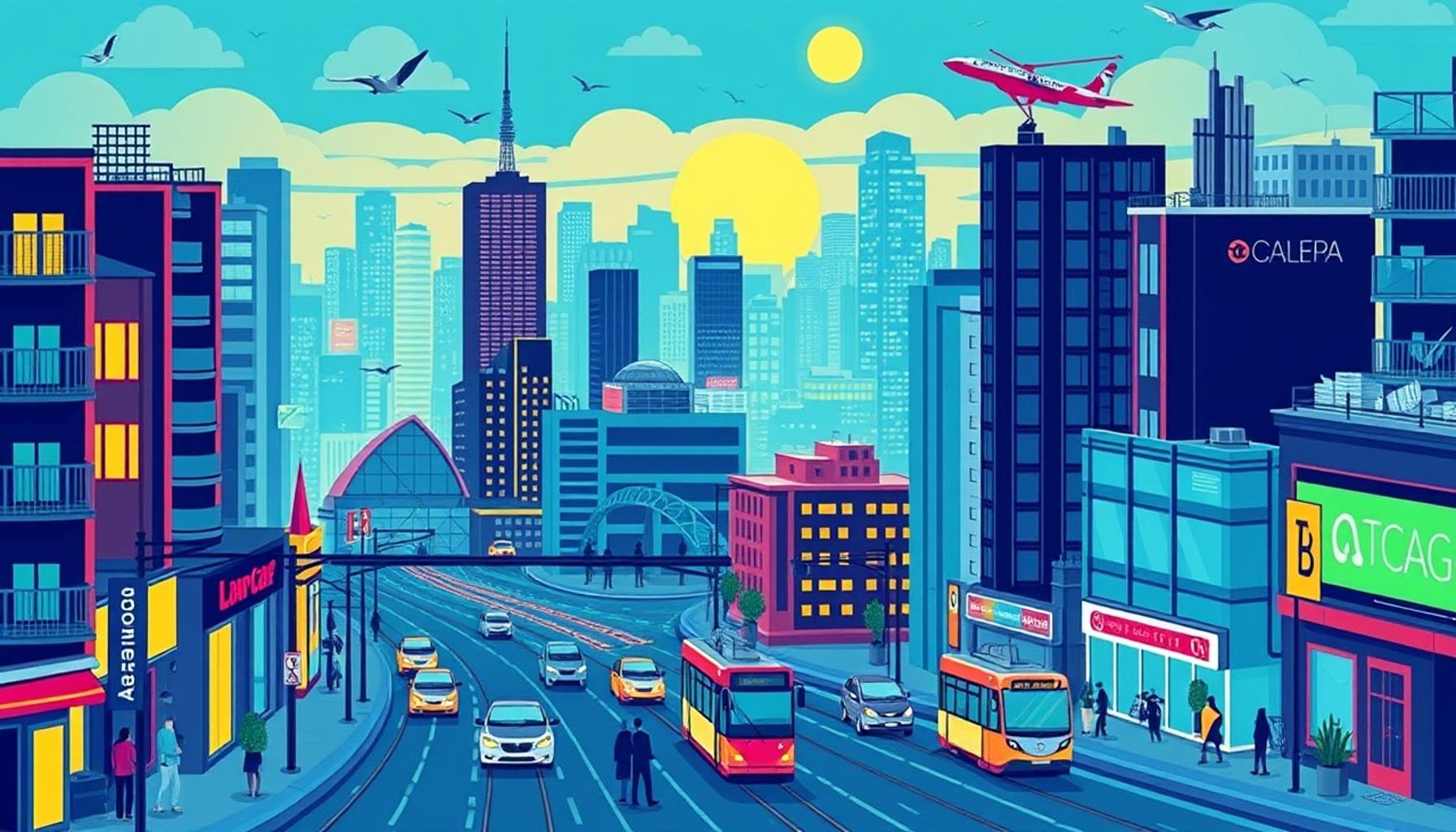
The concept of smart cities is revolutionizing our urban environments by incorporating technology into the very fabric of city life. These cities utilize advanced technological frameworks to address challenges posed by rapid urbanization, enhancing not only the quality of life for residents but also ensuring sustainability for future generations.
Key Features of Smart Cities
Several key features work in concert to define a smart city. One of the most essential elements is intelligent transportation systems. These systems leverage data collected from various sources, such as traffic cameras and sensors, to manage congestion effectively. For instance, cities like Seattle utilize adaptive traffic signal systems that respond to real-time traffic conditions, optimizing flow and reducing wait times at intersections.
Another cornerstone of smart city infrastructure is the Internet of Things (IoT). Through the integration of smart sensors, cities can monitor everything from air quality to noise levels. In Los Angeles, smart streetlights equipped with sensors adjust brightness depending on the time of day and pedestrian presence, leading to energy savings and enhanced public safety.
Data analytics is equally crucial in optimizing urban services. For example, Chicago employs data analytics tools to improve waste management. By collecting data on bin fill levels, the city can streamline collection routes, reducing fuel costs and limiting the environmental impact of garbage trucks. This kind of proactive management demonstrates how cities can use technology to make daily operations more efficient.
Real-World Applications
The practical implications of smart city technologies can be seen in urban centers across the United States. In San Francisco, real-time data is used not only for transit management—where riders can receive updates on train arrivals—but also for optimizing bicycle-sharing programs based on demand trends. Moreover, New York City has implemented programs focused on enhancing pedestrian safety by utilizing smart traffic signals that adjust automatically to protect crossing pedestrians, dramatically reducing accidents in busy areas.
This fusion of technology and urban planning addresses critical challenges such as pollution and congestion head-on. By envisioning how technology enhances urban mobility, we can dream of future cities that operate fluidly. A smart city isn’t just a technological marvel; it’s a commitment to a solution-oriented, user-friendly environment aimed at elevating the everyday experiences of its residents.
In conclusion, the rise of smart cities presents a unique opportunity to rethink how urban spaces function and serve their communities. Embracing this digital transformation can lead to sustainable practices and improved urban living conditions, benefitting everyone in the process.
DISCOVER MORE: Click here for insights on consumption trends
Transforming Urban Mobility with Technology
One of the most significant benefits of smart city initiatives is the transformation of urban mobility. The digital revolution plays a vital role in improving how people navigate their cities, ensuring that transportation systems become more efficient, user-friendly, and environmentally responsible. By integrating technology into public and private transportation, cities can alleviate traffic congestion, reduce emissions, and enhance the overall transportation experience.
Enhanced Public Transportation Networks
Public transportation is a critical component of smart cities. By utilizing data analytics and real-time tracking systems, cities can adjust schedules and routes based on user demand. For instance, Washington, D.C. has implemented a mobile app that provides real-time updates on bus and train arrivals. This feature allows commuters to plan their journeys more effectively, reducing wait times and improving overall satisfaction with the public transit system.
Moreover, the integration of contactless payment systems is streamlining the experience for riders. Many cities now offer tap-and-go services, which minimize delays and enhance convenience. As an example, cities such as New York and San Francisco have adopted these systems, allowing passengers to pay seamlessly with their smartphones or transit cards.
Promoting Sustainable Mobility Solutions
Sustainable transportation is at the forefront of smart city initiatives. With a growing focus on reducing carbon footprints, cities are investing in alternatives such as electric buses, bike-sharing programs, and pedestrian-friendly infrastructures. Here are some of the sustainable solutions being adopted:
- Electric Vehicles (EVs): Cities are rolling out charging infrastructure to encourage the use of electric vehicles. Los Angeles leads the way with numerous public charging stations, aiming to make EV use more accessible for residents.
- Bicycle Infrastructure: Many urban centers are expanding bike lanes and implementing bike-sharing programs to promote healthier commuting options. Austin, Texas, for example, has invested in extensive bike lanes to create a safer environment for cyclists.
- Car-Free Zones: Some cities are designating areas that prohibit vehicle access, transforming these zones into pedestrian-friendly spaces. Examples include the car-free initiative in Oslo, Norway, which has inspired similar programs in cities like San Francisco.
These innovations not only make commuting easier but also foster a sense of community as residents engage more with their neighborhoods. As cities adapt to the growing demand for efficient and sustainable transportation, they pave the way for healthier lifestyles and reduced environmental impact.
In summary, the digital revolution is reshaping urban mobility through intelligent public transportation systems and sustainable alternatives. By embracing these technologies, smart cities can enhance the way people move, ensuring that urban living becomes more convenient, efficient, and environmentally friendly for all residents.
DIVE DEEPER: Click here to discover more
Smart Technology and Data-Driven Decisions
In addition to advancements in urban mobility, smart cities leverage cutting-edge technologies to cultivate data-driven decision-making that enhances everyday life. These cities rely on various forms of data collection, including sensors, cameras, and social media analytics, to better understand the patterns of urban dynamics. This information forms the backbone of intelligent solutions that improve the efficiency of city operations.
Smart Traffic Management Systems
One of the areas profoundly affected by data utilization is traffic management. Smart traffic systems employ sensors that monitor vehicle flow and adjust traffic signals accordingly. By analyzing real-time data, cities can minimize congestion and even prevent accidents before they happen. For example, cities like Los Angeles have implemented traffic signals that optimize travel times by adapting to road conditions dynamically, ensuring smoother commuting experiences for residents.
Additionally, the implementation of intelligent parking solutions can alleviate the stress of searching for parking spots, a common complaint among urban drivers. Smart systems provide information on available parking spaces in real-time, showcasing their locations through mobile applications. San Francisco has adopted this technology, helping drivers find parking more easily while reducing unnecessary traffic that often results from searching for spots.
Integration of Mobility as a Service (MaaS)
As urban environments strive for seamless transport solutions, the concept of Mobility as a Service (MaaS) is gaining traction. MaaS applications consolidate various forms of transportation—from public transit to rideshares to bike rentals—into a single user-friendly platform. By providing a comprehensive overview of transportation options, MaaS makes it easier for residents to make informed decisions about their journeys.
For example, the city of Columbus, Ohio, is at the forefront of MaaS with its Smart Columbus initiative. The platform enables users to plan, book, and pay for multiple modes of transportation within one seamless interface, thus enhancing accessibility and ease of travel. This approach not only simplifies commuting but promotes the use of more sustainable transport options, ultimately reducing the reliance on personal vehicles.
Community Engagement through Technology
Smart city initiatives also prioritize community engagement by using technology to foster communication between city officials and residents. Mobile applications and online platforms allow citizens to voice their concerns, report issues, and participate in decision-making processes. For instance, cities like Boston have developed apps that empower residents to report potholes, broken streetlights, and other infrastructure problems directly to the public works department. This two-way communication builds trust and encourages civic participation.
Moreover, many smart cities are investing in public Wi-Fi networks that provide internet access in parks and public squares, facilitating technological engagement and equal access to information for all residents. This connectivity enables a more informed citizenry, enhancing the democratic process and allowing cities to gather feedback more effectively on urban developments and initiatives.
Through the integration of smart technology and data-driven solutions, cities are not only improving urban mobility but also creating a responsive and cohesive living environment. Emphasizing collaboration between technology, local government, and community members reinforces the foundation of smart cities, demonstrating the significant role of the digital revolution in shaping urban landscapes.
DON’T MISS OUT: Click here to learn more
Conclusion
In summary, the emergence of smart cities showcases the transformative power of the digital revolution in reshaping urban living and transportation. By harnessing advanced technologies and real-time data, cities can address long-standing challenges related to mobility, sustainability, and community engagement. From intelligent traffic management systems that ease congestion in cities like Los Angeles to comprehensive Mobility as a Service (MaaS) platforms in Columbus, the integration of smart solutions demonstrates a new paradigm of urban efficiency and convenience.
Moreover, these initiatives are not just about technology; they emphasize the importance of community involvement. As city officials leverage mobile applications to engage residents and gather feedback, they foster a participatory approach to governance that builds trust and strengthens civic relationships. Cities are increasingly recognizing that informed citizens are crucial for the successful implementation of smart initiatives.
As we move forward, it is essential for stakeholders—ranging from city planners and tech developers to community members—to collaborate in creating inclusive environments that prioritize accessibility and sustainability. The road ahead will be paved with innovations that not only enhance urban mobility but also enrich the overall quality of life. Embracing the potential of smart technologies will ultimately lead to cities that are not only smarter but also more resilient and connected.
This journey towards intelligent urbanization is just beginning, and the opportunities for improvement are vast. Let us remain engaged and proactive in shaping the cities of the future, where technology and community thrive hand in hand.

Linda Carter
Linda Carter is a writer and expert known for producing clear, engaging, and easy-to-understand content. With solid experience guiding people in achieving their goals, she shares valuable insights and practical guidance. Her mission is to support readers in making informed choices and achieving significant progress.