
The Future of Digital Health: How Telemedicine is Revolutionizing Patient Care
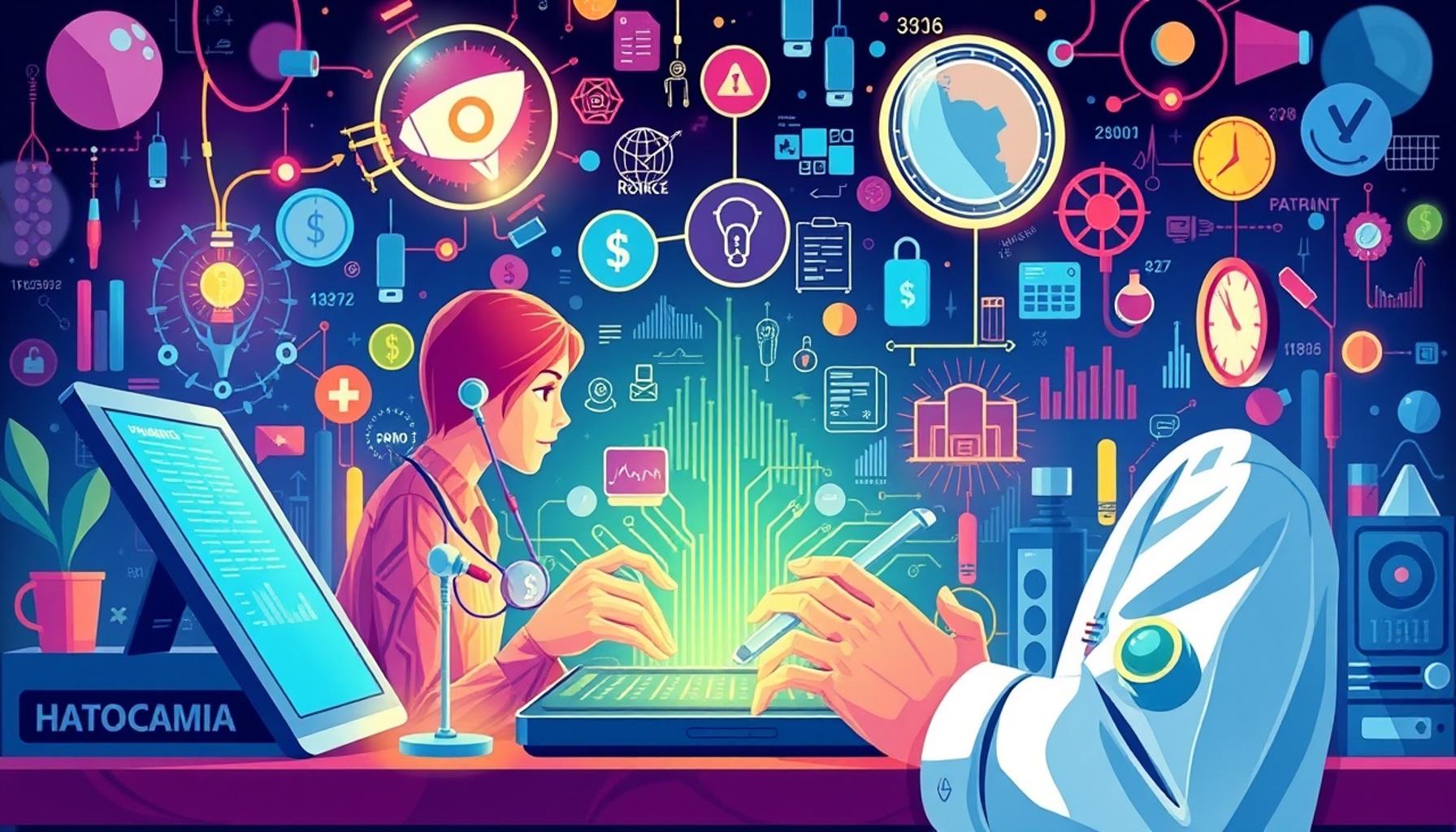
The Transformative Effects of Telemedicine
The advancement of technology has reshaped healthcare, making it more accessible and efficient. Among these innovations, telemedicine stands out as a game-changer in patient care. This digital health revolution allows patients to connect with healthcare professionals from anywhere, leading to significant improvements in the healthcare experience.
Healthcare in the United States has witnessed a shift as telemedicine bridges gaps that once hindered access to quality care. Patients living in rural or underserved areas, for instance, often struggled to find specialists or faced long waits for appointments. With telemedicine, individuals residing in remote locations can easily consult specialists without the burden of long-distance travel. This is particularly beneficial for individuals in states like Montana or Wyoming, where healthcare facilities can be miles apart.
Increased Accessibility is perhaps one of the most significant benefits of telemedicine. Imagine a farmer in Kansas who needs to see a cardiologist but has to drive three hours to the nearest clinic. Through telemedicine, this patient can consult with a specialist from the comfort of their home, improving their health outcomes without the associated travel stress.
Equally important is the convenience that telemedicine provides. Scheduling a virtual appointment can fit seamlessly into a patient’s daily routine. This is especially helpful for busy parents or professionals who might find it challenging to take time off work for a doctor’s visit. By eliminating the need for physical travel, patients can attend appointments during lunch breaks or after work, making healthcare more accessible.
Cost is a major consideration in healthcare today, and telemedicine offers cost-effectiveness for both patients and providers. By reducing overhead costs associated with maintaining physical offices, telemedicine can lower fees for services. For example, many insurance plans cover virtual visits at rates comparable to in-person consultations, allowing patients to save on travel expenses and lost wages.
The speed at which care can be delivered is another advantage of telemedicine, showcased through faster consultations. Patients can receive quicker medical advice, which is particularly advantageous in cases requiring urgent care. For instance, someone experiencing symptoms of a cold can consult a healthcare provider promptly to determine if it’s a simple illness or something more serious, like the flu.
As telemedicine continues to evolve, it promises to offer even more innovative solutions. From chronic disease management to routine check-ups, the potential applications are vast and varied. This approach enhances not only patient experience but also empowers healthcare providers to deliver efficient care. The adoption of telemedicine tools, such as mobile health apps and wearable devices, further enables patients to manage their health proactively.
In conclusion, telemedicine represents a significant leap forward in how healthcare is delivered. By increasing accessibility, providing convenience, ensuring cost-effectiveness, and allowing for faster consultations, telemedicine is transforming the patient care landscape in the United States for the better.
DISCOVER MORE: Click here to learn how Generation Z is changing cinema
Key Benefits of Telemedicine in Patient Care
As telemedicine continues to penetrate the healthcare landscape, its benefits become increasingly evident, impacting both patients and providers. Understanding these advantages can help clarify why telemedicine is considered a revolutionary force in modern healthcare.
Enhanced Patient Engagement
One of the standout features of telemedicine is the opportunity for enhanced patient engagement. When patients can easily reach their healthcare providers, they are more likely to take an active role in their health management. For example, a patient with diabetes can regularly check in with their doctor to discuss diet, medication adjustments, and glucose monitoring results, all of which are essential for effective disease management. This ongoing dialogue fosters a relationship of trust and encourages adherence to treatment plans.
Access to Specialized Care
Through telemedicine, patients gain access to specialized care that may have otherwise been out of reach. For example, a patient diagnosed with a rare condition in a rural area can consult with a specialist at a top hospital without the need to travel. This means patients can receive specialized consultations or second opinions, ultimately leading to better health outcomes. Telemedicine enables healthcare systems to connect local providers with experts across the country, ensuring patients receive the best possible advice and treatment options.
Flexible Appointment Scheduling
Scheduling appointments through telemedicine offers flexibility that traditional healthcare settings often lack. Patients can choose a time that fits their schedule, minimizing conflicts with work or personal obligations. This flexibility is particularly beneficial for individuals who may have unpredictable work hours or caregiving responsibilities. For instance, a single parent can schedule an afternoon video visit during their child’s nap time, making it less likely they will need to miss an important appointment.
Improved Preventive Care
Telemedicine significantly supports preventive care initiatives. Regular check-ups and health screenings can be conducted via virtual appointments, allowing healthcare providers to monitor patients’ health trends actively. For example, a healthcare provider can schedule routine follow-ups for patients with chronic illnesses like hypertension to review blood pressure readings and medication adherence. This proactive approach helps identify potential issues before they escalate into more severe health problems.
- Regular remote monitoring: Patients with chronic diseases can use connected devices to share real-time data with their providers.
- Educational resources: Telemedicine platforms can provide access to webinars and online materials that empower patients to make informed health decisions.
- Support groups: Patients can join virtual support groups, which can be instrumental in areas like mental health, where community support plays a vital role.
As the telemedicine landscape evolves, the potential for enhancing patient care only grows. By focusing on enhanced patient engagement, access to specialized care, flexible appointment scheduling, and improved preventive care, telemedicine is truly revolutionizing the way healthcare is provided. This shift not only benefits patients but also paves the way for a more responsive and effective healthcare system overall.
DIVE DEEPER: Click here to discover the future of storytelling
The Transformative Impact of Telemedicine on Community Health
As telemedicine continues to evolve, its reach expands beyond individual patient experiences and begins to influence community health on a broader scale. This transformation is particularly significant in addressing healthcare disparities and improving overall public health outcomes.
Bridging Healthcare Disparities
Telemedicine serves as a powerful tool for bridging healthcare disparities, especially for underserved populations who often face barriers such as transportation, financial constraints, or lack of access to healthcare facilities. For instance, low-income families or rural residents can now access healthcare services without the burden of long-distance travel. A mother living in a remote area can consult a pediatrician via a video call, ensuring her child receives timely vaccinations and health advice without the need for a lengthy journey. By breaking down geographic and economic barriers, telemedicine promotes health equity.
Integration with Community Health Initiatives
Telemedicine also enhances integration with community health initiatives. Local health departments can utilize telehealth solutions to manage public health campaigns, such as vaccination drives or health education workshops. In response to a surge in flu cases, a community health clinic might host virtual seminars to educate residents about flu prevention, while also offering online scheduling for flu shots. This collaboration enables timely interventions that can improve community health outcomes.
Data-Driven Insights and Public Health Surveillance
Another remarkable benefit of telemedicine is its ability to provide data-driven insights that enhance public health surveillance. Telemedicine platforms can aggregate data from patient visits, allowing healthcare providers to monitor trends in illness, vaccination rates, and disease outbreaks. Health authorities can harness this data to make informed decisions and tailor public health responses. For example, data showing a spike in respiratory infections can prompt immediate public health messaging about flu season preparedness, ensuring communities remain vigilant.
Improving Mental Health Support
Mental health services have greatly benefited from the rise of telemedicine, providing improved access to mental health support for individuals who may have previously avoided traditional in-person visits. Teletherapy, where patients can engage in therapy sessions from their homes, significantly reduces the stigma associated with seeking help. During the COVID-19 pandemic, many experienced elevated stress and anxiety levels; teletherapy became a lifeline for countless individuals. With the convenience of scheduling and privacy of virtual sessions, patients are more likely to prioritize their mental well-being.
- Enhanced follow-up care: Telemedicine allows for seamless and consistent follow-up appointments, empowering patients to receive ongoing support for both mental and physical health conditions.
- Tailored resources: Telemedicine platforms can provide customized resources, such as articles or exercises, based on patient interactions, reinforcing the importance of self-care.
- Community collaborations: Healthcare providers can partner with local organizations to promote telehealth services, making it easier for residents to access care.
The impact of telemedicine on community health is undeniable. By addressing disparities, integrating with community initiatives, leveraging data, and improving mental health support, telemedicine paves the way for a healthier future, where every individual has the opportunity to thrive. As this approach evolves, the possibilities for innovative healthcare delivery continue to expand, making it a cornerstone of modern patient care.
DIVE DEEPER: Click here to discover more about non-linear narratives
Looking Ahead: Embracing the Telemedicine Revolution
The future of digital health, driven by telemedicine, is not just on the horizon; it is actively reshaping the landscape of patient care today. As we have explored throughout this article, telemedicine is effectively enhancing accessibility for those who previously faced barriers to care, whether due to geography, finances, or other challenging circumstances. This is particularly vital as it promotes health equity, ensuring that every patient, regardless of background, can receive the care they need.
Moreover, telemedicine is advancing our approach to community health initiatives and public health surveillance. By utilizing data-driven insights, healthcare providers can respond swiftly to emerging health trends, ultimately protecting our communities more effectively than ever before. The integration of telemedicine with local health efforts exemplifies a proactive stance against illnesses and informs the public about preventive measures.
Importantly, as we move forward in this digital era, the emphasis on mental health support through teletherapy has transformed the way individuals seek help, making mental health resources more accessible and reducing stigma. The convenience and safety of virtual therapy sessions have empowered many to prioritize their well-being, which is essential for nurturing an overall healthy society.
In conclusion, the evolution of telemedicine signifies a pivotal shift toward a more inclusive and responsive healthcare environment. As technology continues to advance and expand its reach, we can anticipate even more innovative solutions that bridge gaps in healthcare access. Embracing this transformation is crucial for all stakeholders in the healthcare industry, from providers to patients, as we strive toward a future where optimal care is not just a privilege, but a universal right.

Linda Carter
Linda Carter is a writer and expert known for producing clear, engaging, and easy-to-understand content. With solid experience guiding people in achieving their goals, she shares valuable insights and practical guidance. Her mission is to support readers in making informed choices and achieving significant progress.