The Rise of Augmented Reality in Cinema: Transforming the Viewer Experience
The Impact of Augmented Reality in Cinema
Augmented reality (AR) is revolutionizing the film industry by offering innovative ways for audiences to connect with narratives. Unlike traditional film experiences, where the viewer passively engages with the story, AR transforms the viewer into an active participant. By integrating elements of the digital world into the physical environment, filmmakers are crafting unique experiences that extend beyond mere viewing. This leap in technology opens up a variety of avenues for storytelling and audience engagement.
Interactive Storytelling
Interactive storytelling is one of the most profound advancements facilitated by AR. Films can incorporate AR features that allow viewers to dictate certain plot developments or endings through their mobile devices or AR glasses. For instance, a sci-fi movie could enable audiences to choose the direction of the protagonists’ journey using an app, where they can select options that alter the film’s storyline in real-time. This interactive element not only makes the experience more engaging but also invites viewers to invest emotionally in the outcome of the story.
Enhanced Visuals
Another area where AR shines is in providing enhanced visuals. Imagine watching a thrilling action sequence on the big screen, while simultaneously using an AR app on your smartphone, which overlays additional effects or characters into your real-world view. For example, when watching a fantasy adventure film, viewers might bring to life mythical creatures in their living room via their devices. This blend of reality and fiction creates a spectacular visual storytelling experience that captivates audiences in unprecedented ways, making them feel as if they are part of the world of the film.
Personalized Content
AR also offers personalized content that enriches the cinematic experience. Through dedicated apps, viewers can unlock exclusive behind-the-scenes footage, delve into detailed character backstories, or even play interactive games tied to the film’s universe. For example, after a movie has finished, viewers might scan a QR code that reveals a mini-game where they can help a character solve puzzles, creating a multi-layered experience. This level of engagement not only encourages repeated viewings but also fosters community among fans who share their unique experiences.
As more major studios and indie filmmakers begin to explore the possibilities of AR, we see a profound shift in how stories are told and experienced. This technological integration offers filmmakers a new medium for creative expression, enabling them to explore narratives in innovative ways. The future of cinema seems poised to embrace these advancements, paving the way for a new era that not only redefines filmmaking but also how audiences connect with stories and characters, making cinema an even more collaborative and immersive form of art.
DISCOVER MORE: Click here to learn about viewer preferences and film production
Innovative Applications of AR in Film
The rise of augmented reality (AR) within cinema is not merely a technological advancement; it signifies a cultural shift in how stories are constructed and perceived. With its capabilities to merge digital elements with the real world, AR is paving the way for a range of innovative applications that enhance viewer experiences. Here are a few significant areas where AR is making its mark:
Immersive Product Placement
One exciting application of AR in film is immersive product placement. In traditional movies, product placements often tug at the narrative flow, feeling forced or artificially inserted. However, using AR, filmmakers can create interactive advertising experiences that seamlessly blend into the film’s world. For instance, while watching a movie, a viewer could point their AR device at a character’s drink to receive special promotions, nutritional information, or even recipes connected to that product. This interactive approach not only elevates the storytelling but also makes the brand experience engaging, adding value to both the film and the advertisers.
Location-Based Experiences
Another fascinating application of AR is its ability to create location-based experiences that amplify viewer engagement. Imagine attending a live outdoor screening of a fantasy film and being prompted to use an AR app on your smartphone. The app could reveal hidden characters and interactive elements around the venue, transforming the entire environment into a vibrant extension of the film. Viewers could interact with virtual creatures, embark on quests related to the movie’s plot, or even unlock exclusive content and prizes based on their exploration. Such experiences not only deepen the connection between the audience and the film but also create memorable shared moments among attendees.
Learning and Exploring
AR opens up incredible opportunities for learning and exploration through cinema. Filmmakers can utilize this technology to craft educational resources that accompany their films. For example, a documentary about space exploration could offer viewers the chance to use AR to visualize planets, stars, and important spacecraft in their own surroundings. This added layer of information allows audiences to engage with the material more profoundly, enhancing their understanding and appreciation of the subject matter while making learning fun and interactive.
Key Advantages of AR in Cinema
- Enhanced Viewer Engagement: By bringing elements of storytelling into the real world, AR makes the viewer an active participant.
- Increased Rewatch Value: Interactive elements and personalized content encourage audiences to return to films for new experiences.
- Extended Storytelling Opportunities: Filmmakers can create richer narratives that evolve beyond traditional formats.
The application of AR in cinema offers filmmakers a broadened canvas for their creative expression while providing audiences an unparalleled movie experience. By embracing these advancements, studios can cater to the evolving expectations of modern viewers who seek interaction, immersion, and deeper connections to the stories they love.
DIVE DEEPER: Click here to learn more about the ecological innovations in film production
Interactive Storytelling and Personalization
Augmented reality is transforming cinema by bringing interactive storytelling and personalization to the forefront of the viewer experience. Unlike traditional films that deliver a linear narrative, AR encourages audiences to engage in a more dynamic and participatory manner, allowing them to influence the story and its outcome.
Branching Storylines
One of the most compelling aspects of AR in cinema is the ability to create branching storylines that can change based on viewer choices. For example, an AR-enabled film could allow viewers to select different paths during key decision points in the story, directly impacting character journeys and plot developments. This kind of interactivity not only increases engagement but also adds layers of complexity to the storytelling. Viewers can experience unique storylines and endings based on their choices, which fosters a deep emotional connection to both the characters and the overarching narrative.
Personalized Viewing Experiences
Through the use of AR, filmmakers can also deliver personalized viewing experiences that cater to individual preferences. Imagine a horror film that adapts its scare tactics based on the viewer’s previous interactions with the AR app. If a viewer tends to respond positively to jump scares, the AR experience could enhance those moments, amplifying the horror elements. Conversely, if a viewer prefers suspenseful storytelling, the AR app could build tension through atmospheric sounds and visuals. This level of customization can transform a single viewing into a tailored experience that resonates more profoundly with the audience.
Community Experiences
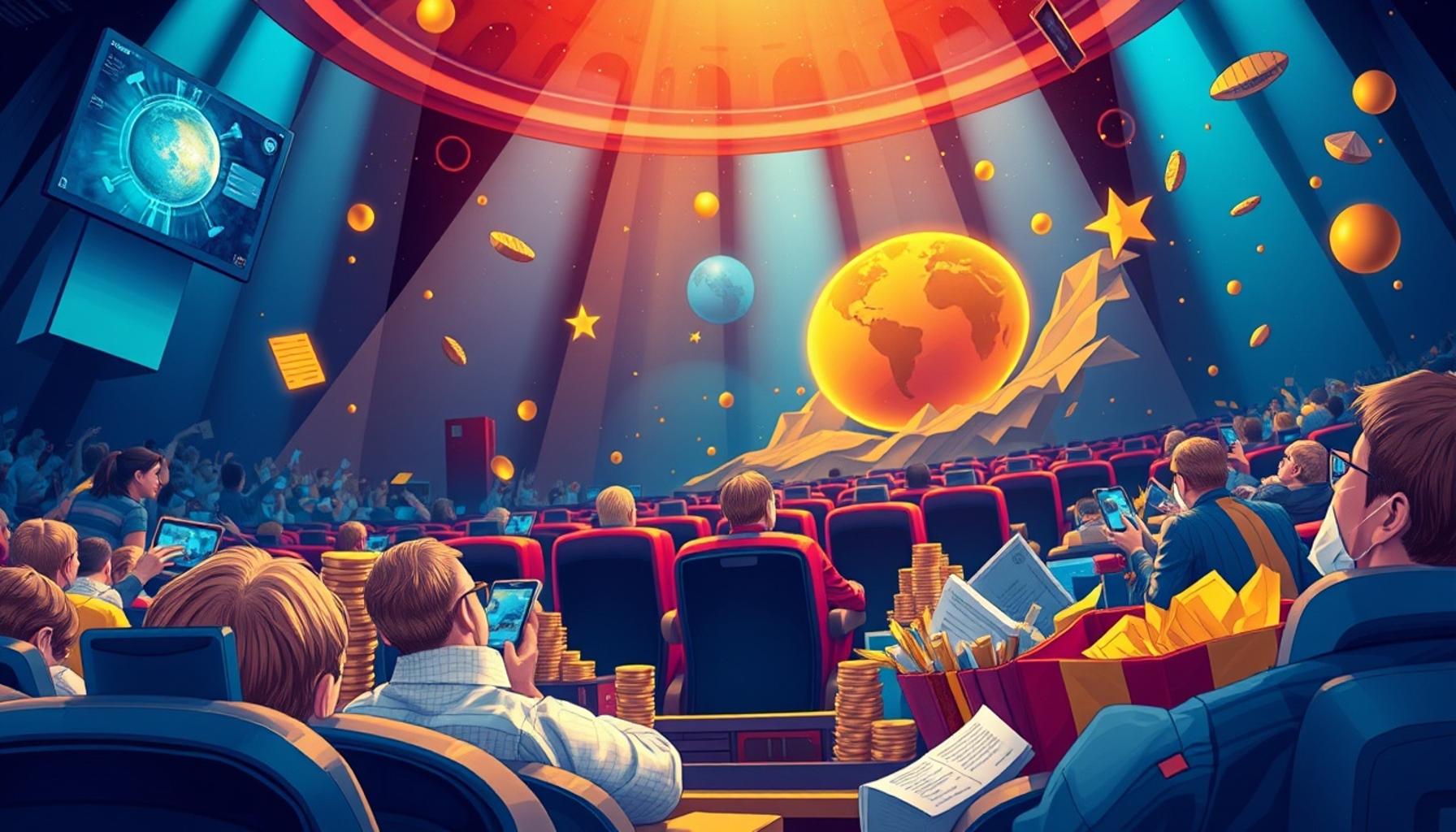
AR also promotes community experiences by creating spaces for fans to engage with one another. Imagine a new superhero film that encourages fans to gather at local theaters wearing AR glasses or using their smartphones. They could form alliances or teams within the film’s universe, collaborating on challenges and trivia related to the plot. Community scoreboards might display team rankings, fostering friendly competition and camaraderie among fans. Such experiences not only enhance the film’s world but also build strong connections among audiences, making the viewing experience a shared adventure.
Challenges and Considerations
- Accessibility: Ensuring AR experiences are accessible to all audiences, including those who may not have access to the latest devices, presents a challenge.
- Technical Limitations: The effectiveness of AR in enhancing viewer experience depends on the available technology, which can vary widely among viewers.
- Content Development: Filmmakers must invest time and resources into creating high-quality AR content that complements rather than distracts from the main narrative.
As we continue to explore the possibilities of augmented reality in cinema, it is clear that its applications can extend far beyond visual enhancements. The integration of interactive elements, personalized experiences, and community engagement is redefining how audiences connect with film. By harnessing the potential of AR, filmmakers can craft richer, more immersive narratives that resonate on multiple levels, fostering a new era of cinematic enjoyment.
DIVE DEEPER: Click here to explore interactive films
Conclusion
In conclusion, the rise of augmented reality (AR) in cinema is heralding a transformative shift in the viewer experience, paving the way for a new era of storytelling that engages audiences like never before. By enabling interactive narratives with branching storylines, filmmakers are empowering viewers to take charge of their cinematic journeys, resulting in deeper emotional investments in the characters and plots.
The potential for personalized experiences further enhances this connection, allowing films to adapt to individual tastes and preferences. This adaptability fosters a unique atmosphere where each viewer can experience their personal version of a story, enriching the overall impact. Moreover, the community aspect of AR fosters shared experiences that go beyond the screen, encouraging fans to gather, collaborate, and enjoy films collectively, thereby cultivating friendships and connections that last long after the credits roll.
However, as we embrace these advancements, we must also be mindful of the challenges that come with them. Ensuring accessibility for all audiences, overcoming technical limitations, and developing high-quality content that complements rather than distracts from the narrative are vital considerations moving forward. By addressing these challenges, the potential of AR in cinema can be fully realized, creating unforgettable experiences. As filmmakers continue to explore and innovate, audiences can look forward to a future where cinema is not just watched but lived, resonating on multiple levels and redefining the way we connect with storytelling.

Linda Carter
Linda Carter is a writer and expert known for producing clear, engaging, and easy-to-understand content. With solid experience guiding people in achieving their goals, she shares valuable insights and practical guidance. Her mission is to support readers in making informed choices and achieving significant progress.