
Immersive Experiences: How Augmented and Virtual Reality Are Changing the Way We Consume Cinema
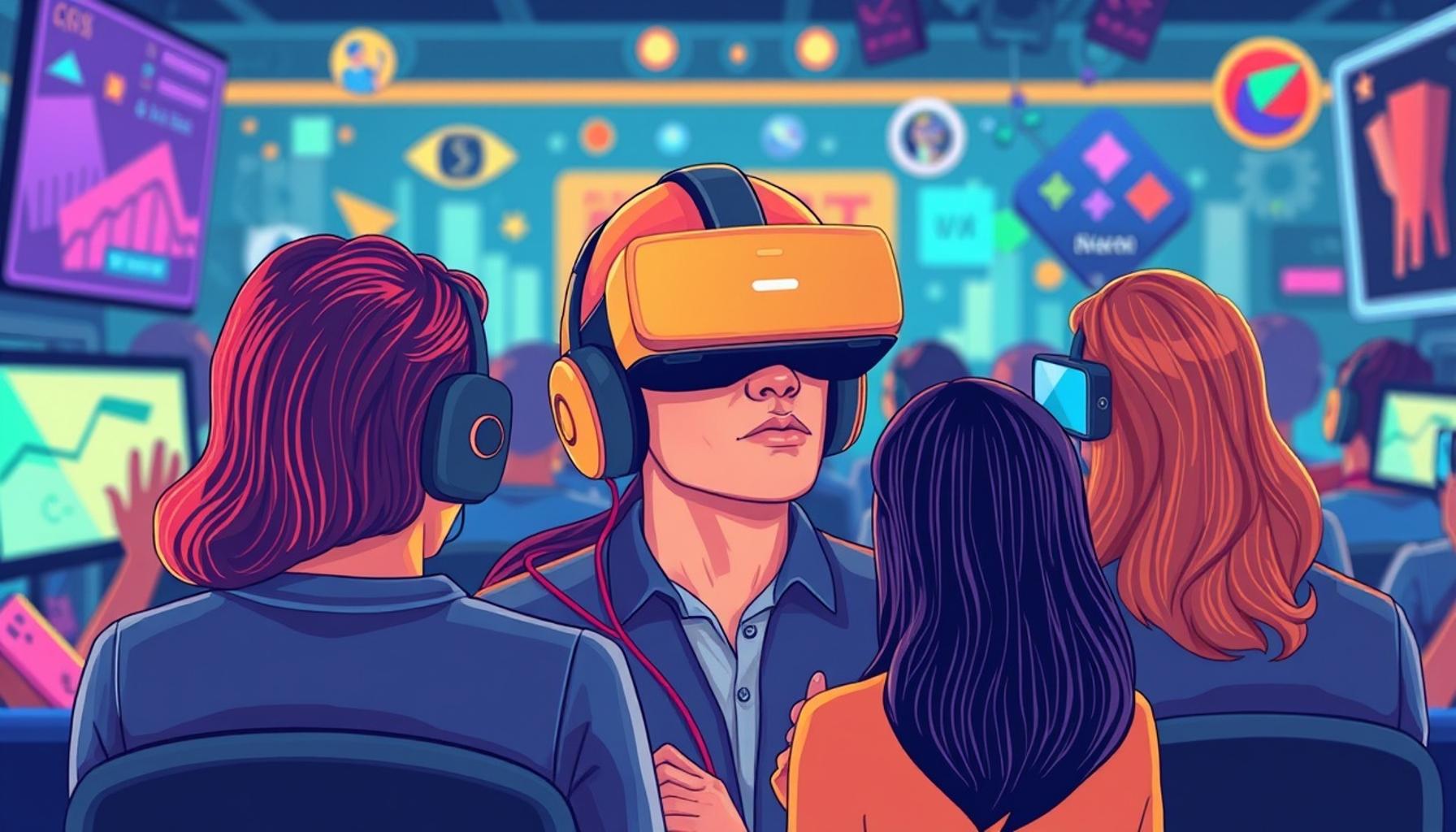
Transformative Impact of AR and VR on Cinema
In recent years, the film industry has witnessed a remarkable transformation driven by advancements in technology. Augmented reality (AR) and virtual reality (VR) are at the forefront of this movement, revolutionizing the way stories are told and experienced. As filmmakers experiment with these immersive technologies, they open the door to innovative narrative forms that deepen audience engagement.
Enhanced Storytelling
One of the standout features of AR and VR in cinema is the opportunity for enhanced storytelling. Traditional films often present a linear narrative, with the audience as passive observers. In contrast, immersive technologies allow viewers to step into the story, leading to an experience that feels personal and interactive. For example, in a VR film, audience members can choose different paths within the narrative, granting them agency over how the story unfolds. Projects such as “The Invisible Hours” allow players to explore a murder mystery from various characters’ perspectives, creating a richer and more layered viewing experience.
Realistic Environments
Virtual reality technology enables filmmakers to craft realistic environments that fully immerse the audience in the film’s world. Imagine donning a VR headset and finding yourself inside a bustling alien marketplace or on the surface of a distant planet. This level of immersion is exemplified by works like “The Walking Dead: Saints & Sinners,” where players navigate a zombie-infested world while interacting with the environment. Such experiences allow viewers to feel as though they are not merely spectators but active participants in the cinematic universe.
Engagement and Interactivity
Another significant characteristic of AR and VR is the high level of engagement and interactivity. Films can now incorporate elements that let viewers influence outcomes or make choices that affect the story’s direction. Take, for instance, the interactive Netflix film “Black Mirror: Bandersnatch.” Viewers can make decisions for the protagonist that lead to multiple endings, creating a sense of involvement and investment that traditional media rarely offers. This gives the audience a role in the storytelling process, fostering a unique connection with the material.
The integration of AR in marketing campaigns also brings an innovative twist to how films are promoted. Through applications and experiences, audiences can interact with 3D characters and elements from the film in their own environment. For instance, the promotional campaign for “Jurassic World: Fallen Kingdom” used AR technology to let fans see life-sized dinosaurs in their own backyards via mobile devices, effectively blurring the lines between fiction and reality.
As AR and VR technologies continue to mature, they are not only reshaping cinematic storytelling but are also reshaping the broader landscape of entertainment. This evolution encourages filmmakers to rethink their creative processes and challenges audiences to engage with stories in unprecedented ways, highlighting the dynamic relationship between technology and the art of filmmaking.
DISCOVER MORE: Click here to learn about the future of cinematic content creation
Innovative Approaches to Film Production
As augmented reality (AR) and virtual reality (VR) technologies evolve, they continue to influence not only how stories are told but also how films are produced. These immersive technologies are transforming the production process, enabling filmmakers to create richer, more engaging content while streamlining their workflows. By allowing for new forms of creativity, AR and VR push the boundaries of conventional filmmaking practices.
Pre-Visualization and Storyboarding
One of the key ways AR and VR are impacting film production is through improved pre-visualization and storyboarding. Filmmakers can now create 3D environments instead of relying solely on traditional 2D drawings. This allows directors and cinematographers to walk through a virtual set, experiment with camera angles, and even block scenes before actual filming occurs. For example, in the production of “The Lion King” (2019), filmmakers used VR technology to create a fully immersive environment, allowing them to visualize scenes in a realistic context. This process not only saves time but can also lead to innovative ideas and approaches that might not be uncovered through traditional methods.
Cost Efficiency and Resource Optimization
Implementing AR and VR technologies can also lead to greater cost efficiency and resource optimization. By using virtual sets and digital effects, filmmakers can reduce location expenses and limit costly physical effects. This is particularly advantageous for independent filmmakers who may not have access to significant budgets. Projects like “The Mandalorian” have showcased this potential, employing a groundbreaking stagecraft technique that incorporates VR technology to create immersive backdrops without the need for extensive on-location shooting. This innovation underscores how AR and VR can democratize the filmmaking process, making high-quality production techniques available to a wider range of creators.
Collaboration and Remote Production
Additionally, AR and VR facilitate collaboration and remote production among film crews and talent. In a globalized world, filmmakers often face challenges related to distance and communication. With VR tools, teams can meet in a shared virtual space, regardless of their physical locations. This capability is particularly beneficial for international projects where skilled professionals may be spread across various countries. By using VR platforms, directors can effectively guide actors and their performances or collaborate on visual effects in real time, enhancing the creative synergy between team members.
- Enhanced pre-visualization: Allows filmmakers to explore scenes in 3D before shooting.
- Cost efficiency: Reduces the need for expensive location shoots and physical effects.
- Remote collaboration: Enables teams to work together across distances in virtual environments.
As the film industry embraces AR and VR, these technologies are bridging gaps and expanding horizons in storytelling and production. With every new project utilizing these tools, filmmakers are discovering innovative ways to captivate audiences and convey their visions, paving the way for a future where the line between reality and fiction becomes increasingly blurred.
DIVE DEEPER: Click here to discover more about streaming trends
Transforming Audience Engagement
While AR and VR technologies are reshaping film production, they are also revolutionizing how audiences engage with cinema. These immersive experiences expand the horizon of storytelling, allowing viewers to interact with narratives in ways that were previously unimaginable. As audiences seek more personalization and engagement, filmmakers are responding by creating content that invites viewers to become active participants in their own cinematic journeys.
Interactive Storytelling
One significant way AR and VR are changing audience engagement is through interactive storytelling. Traditional films typically present a linear narrative; however, immersive experiences allow audiences to influence the storyline through their choices. For instance, projects like “Bandersnatch,” an interactive film from the “Black Mirror” series, provide viewers with opportunities to decide the direction of the story, creating a more personalized viewing experience. This approach not only boosts viewer investment but also encourages multiple viewings, as audiences explore different outcomes based on their choices.
Enhanced Emotional Connection
Furthermore, the utilization of AR and VR fosters a deeper emotional connection between viewers and characters. By placing audiences inside the world of the film, these technologies evoke more powerful emotional responses. For example, the VR experience created for “The Walking Dead” allows fans to physically step into the universe of the show, interact with characters, and confront their fears in a controlled environment. Such experiences forge a personal bond with the narrative and stimulate empathy, breaking down the barriers between viewer and character.
Cinematic Experiences in New Environments
AR and VR also enable cinematic experiences in new environments, unlocking opportunities beyond traditional theaters. Imagine watching a film set on a distant planet while being surrounded by a fully immersive 360-degree view of that celestial landscape. Projects like “Star Wars: Secrets of the Empire” have made this concept a reality, offering participants an adventure where they can explore iconic locations from the franchise in a dynamic setting. This shift allows for more engaging social experiences as friends and family can enjoy stories together in shared virtual spaces, even when physically apart.
- Interactive storytelling: Viewers can influence narrative paths, leading to personalized experiences.
- Emotional connection: Immersive environments increase empathy for characters and situations.
- Cinematic opportunities: New formats provide unique social experiences outside traditional theaters.
As filmmakers explore the potential of AR and VR, they are increasingly prioritizing audience engagement, creating content that resonates on a personal and emotional level. Each innovative experience blurs the lines between viewer and participant, making cinema not just a passive experience but an interactive adventure that continues to draw audiences in like never before. The future of film consumption is not just about watching; it’s about living the story.
DISCOVER MORE: Click here to delve into the world of mobile device films
Conclusion
In conclusion, augmented reality (AR) and virtual reality (VR) are reshaping the cinema landscape by enhancing the way audiences experience storytelling. Gone are the days when viewers simply watched a film; today, they can become integral parts of the narrative, influencing plot outcomes and interacting with characters in a more profound way. This evolution in filmmaking not only offers opportunities for interactive storytelling but also fosters a deeper emotional connection to the characters and settings. As audiences seek more personalized and engaging content, filmmakers are compelled to innovate and harness these technologies to provide richer experiences.
Moreover, as cinematic experiences expand into new environments, the boundaries between film and reality begin to blur, offering immersive escapades that can be enjoyed collectively, even from a distance. This shift changes the expectations of what cinema can be, inviting audiences to participate in a shared journey rather than merely absorbing a story from afar.
The future of consuming cinema lies in these immersive experiences, challenging creative minds to push the limits of storytelling. As we embrace this technological revolution, it is clear that AR and VR are not just novelties; they represent a fundamental shift in how we connect with narratives and each other. By living the story rather than just watching it, we are led into a new horizon of cinematic possibilities where imagination knows no bounds.

Linda Carter
Linda Carter is a writer and expert known for producing clear, engaging, and easy-to-understand content. With solid experience guiding people in achieving their goals, she shares valuable insights and practical guidance. Her mission is to support readers in making informed choices and achieving significant progress.