Non-Linear Narratives: How Script Structure is Changing with New Platforms

Understanding the Shift in Storytelling
Over the past decade, storytelling has significantly evolved, reflecting broader changes in technology and audience preferences. One of the most noticeable trends is the shift towards non-linear narratives, which allow creators to craft stories that are not bound by traditional structures. This transformation invites viewers to engage with narratives in innovative and impactful ways.
Non-linear narratives boast several defining characteristics that set them apart from conventional storytelling. Multiple timelines are a hallmark of this style, enabling stories to weave through various time periods. For instance, in films like “The Butterfly Effect,” the protagonist navigates different moments in time, revealing how choices ripple through life. This technique deepens emotional connections and enhances the narrative complexity.
Another critical feature is character-driven arcs. Unlike traditional narratives that often follow a singular linear track, non-linear stories allow characters to grow independently. In the acclaimed television series “Breaking Bad,” for example, Walter White’s transformation into Heisenberg unfolds diversely, with choices altering the story’s trajectory in unexpected ways. This approach provides a richer understanding of character motivations and consequences.
Furthermore, many contemporary platforms incorporate interactive elements into their storytelling. This is most evident in video games, where players can make decisions that directly affect the plot. A prime example is “Detroit: Become Human,” which presents multiple storylines shaped by player choices, offering an immersive experience that traditional films or TV shows cannot. Audiences become active participants, heightening their investment in the characters and their journeys.
Various mediums have embraced the non-linear storytelling format, leading to recognized successes across genres. In addition to “Pulp Fiction” and “Memento” in the film realm, TV shows like “Dark” and “Westworld” utilize intricate timelines and shifting perspectives to create thought-provoking narratives. As audiences become increasingly accustomed to these forms, it is evident that the future of scriptwriting will continue to embrace this dynamic approach, inviting new possibilities for creativity and engagement in storytelling.
In conclusion, the evolution of script structures toward non-linear narratives reflects a broader cultural shift in how stories are told and experienced. This shift not only enriches the storytelling landscape but also enhances connections with audiences, making it an exciting era for writers and viewers alike.
DISCOVER: Click here to delve deeper
The Characteristics of Non-Linear Storytelling
Non-linear narratives distinguish themselves through unique characteristics that change how viewers engage with stories. By breaking away from traditional beginning-middle-end structures, these narratives invite audiences to piece together plot lines and character arcs in captivating ways. Here are some defining features of non-linear storytelling:
- Fragmented Plot Lines: Unlike traditional narratives that lead the audience through a singular sequence of events, non-linear stories often present a series of disjointed scenes. These fragments can be rearranged like jigsaw puzzle pieces, allowing viewers to form their unique interpretations. A striking example is the movie “Pulp Fiction,” where the story unfolds in a disorganized manner, compelling audiences to connect dots between seemingly unrelated events.
- Multiple Perspectives: Non-linear narratives frequently utilize shifts in perspective to enrich storytelling. This technique invites the audience to experience a story through the eyes of different characters, providing a more holistic understanding of events. Films like “Vantage Point” highlight this method, as they replay the same event from multiple angles, revealing different facets of truth and enhancing dramatic tension.
- Thematic Exploration: These narratives often focus more on themes rather than strict chronological order. For instance, the acclaimed series “This Is Us” oscillates between past and present, using its non-linear structure to weave together themes of love, loss, and familial bonds. By doing so, it fosters emotional depth and resonance with the audience.
As audiences become accustomed to these characteristics, the way scripts are structured is evolving in response to new platforms and technologies. Streaming services like Netflix and Amazon Prime provide viewers the luxury of watching content at their own pace, allowing for deeper engagement with non-linear stories that might require careful attention to follow. This shift in consumer behavior emphasizes the value of versatile storytelling methods.
Furthermore, as creators optimize stories for digital platforms, they are embracing the potential of episodic formatting. Much like video game chapters or interactive series, episodic content encourages viewers to explore different narrative threads at their leisure. Shows like “Black Mirror” slot perfectly into this trend, where individual episodes often present stand-alone stories with varying tones and themes, prompting viewers to engage in discussions about the overarching implications rather than just the plot.
In conclusion, the distinct characteristics of non-linear narratives reflect a broader acknowledgment of evolving storytelling methods, influenced by the diverse landscape of digital media. By embracing these features, creators not only enhance narrative depth but also foster a more immersive experience for audiences. The implications of this shift indicate that traditional storytelling approaches may need reevaluation to adapt to an audience that craves innovation and interaction in their media consumption.
DISCOVER MORE: Click here for an in-depth look
The Influence of Digital Technology on Non-Linear Storytelling
The rise of digital technology has played a crucial role in reshaping non-linear narratives. Platforms such as YouTube, TikTok, and various social media channels have allowed content creators to experiment with narrative forms that were once confined to film or literature. This shift signals not just a change in where stories are told, but also in how they are structured and consumed.
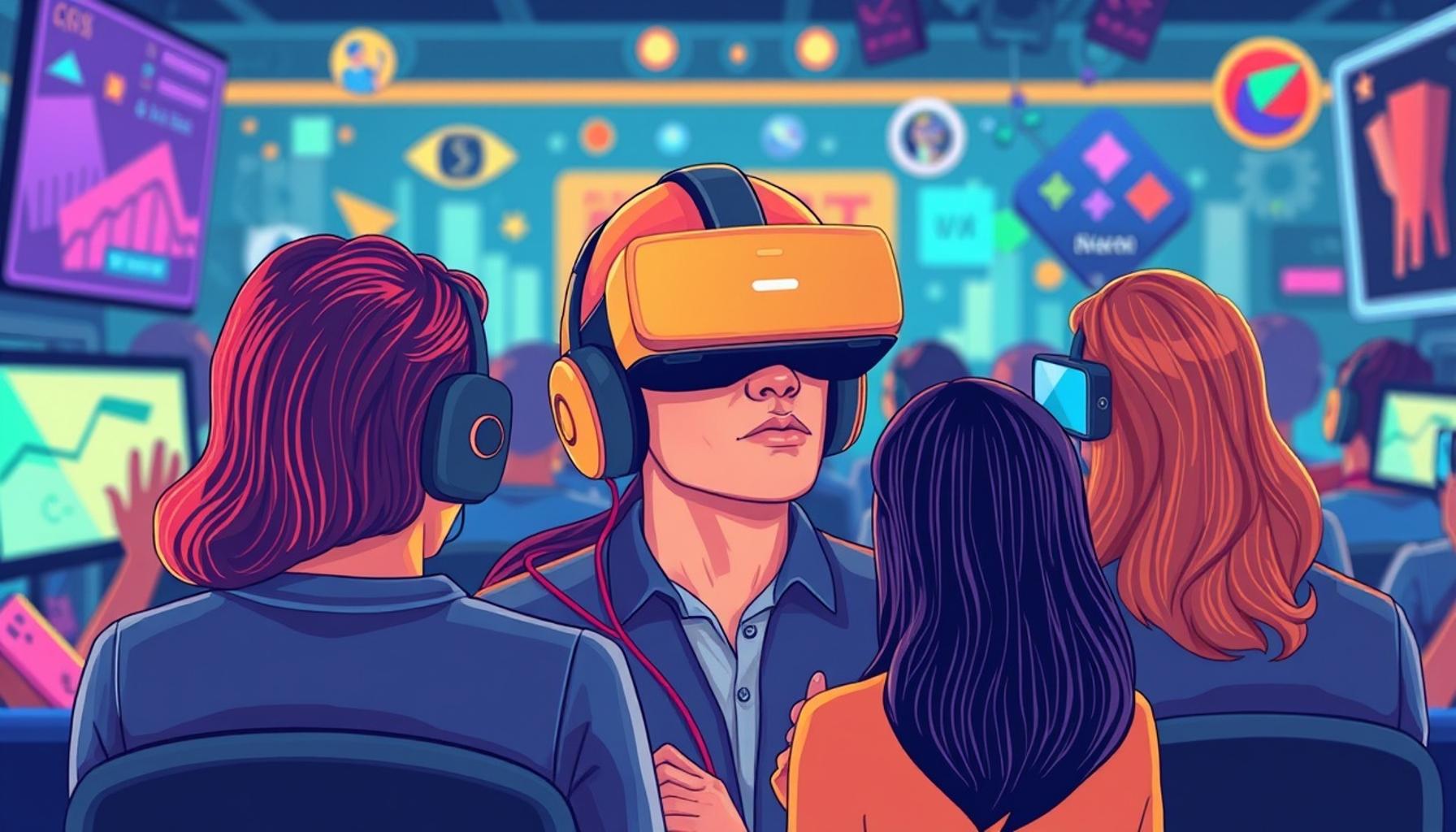
One notable element of digital storytelling is the use of interactive narratives. Emerging platforms like Netflix have introduced “choose-your-own-adventure” formats that allow audiences to make decisions that influence the storyline. A prominent example can be found in the interactive film “Black Mirror: Bandersnatch,” where viewers navigate multiple paths and endings based on their choices. This kind of engagement encourages deeper investment in the story, as audiences feel a sense of ownership over the narrative direction.
Micro-Narratives and Micro-Moments
Additionally, as audiences’ attention spans have shortened due to content overload, the concept of micro-narratives has gained traction. Short clips, often a few seconds long, can tell a complete story or deliver a concept succinctly. TikTok, for example, has popularized these bite-sized narratives, allowing users to convey complex themes or engaging stories in a minimal time frame. This format, while drastically shorter than traditional storytelling, showcases the ability to provoke emotional or thought-provoking responses quickly, marking a shift in how stories can be effectively communicated in the digital age.
Transmedia Storytelling
Another significant trend emerging from non-linear narratives is transmedia storytelling. This approach unfolds a single story across multiple platforms, utilizing different media forms to tell various parts of the story. An excellent example is the expansive “Star Wars” franchise, which spans films, animated series, novels, and video games. Each platform adds layers to the overall narrative universe, allowing fans to dive deeper into character backgrounds or alternate plotlines that they might not experience in the films alone. This multiplicity of storytelling avenues encourages engagement from diverse audiences, catering to varying preferences while creating a cohesive narrative thread.
The importance of viewer agency cannot be overstated in non-linear storytelling, especially in an era where consumers want to feel more connected to the narratives they explore. Platforms that allow user-generated content, such as Reddit or Wattpad, engage audiences not just as passive viewers but as active participants. This interactive approach encourages users to share their interpretations, create fan fiction, or even collaborate on new stories, highlighting a community-driven evolution of narrative forms.
Ultimately, the landscape of non-linear narratives continues to transform as technology advances, reshaping not just what stories are told, but how they are delivered and experienced. By embracing these innovative methods, creators are adapting to the dynamic preferences of modern audiences, ensuring that storytelling remains a vibrant and evolving art form.
DISCOVER MORE: Click here to dive into the impact of iconic characters on
Conclusion
As we have explored throughout this article, the emergence of non-linear narratives is fundamentally reshaping the landscape of storytelling in contemporary media. With platforms such as streaming services, social media, and mobile applications, creators are empowered to experiment with structure and interactivity in ways that were not feasible before. This shift has fostered a profound shift in how stories are not only told but experienced by audiences.
The rise of interactive narratives, exemplified by productions like “Black Mirror: Bandersnatch,” illustrates the vital role of audience participation in shaping the narrative. Similarly, the popularity of micro-narratives on platforms like TikTok highlights the demand for succinct storytelling that resonates instantly with viewers. Furthermore, transmedia storytelling expands narratives across different media, allowing for a richer and more immersive experience that appeals to diverse audience preferences.
Ultimately, the essence of non-linear storytelling lies in its ability to grant audiences agency and connection to the narrative. As they engage with stories actively, aiming to explore various dimensions and meanings, creators must adapt to these evolving expectations. The ongoing changes in script structure signify an exciting era in storytelling, where the possibilities are limitless, and the art form remains vibrant and evolving.
As we look ahead, it is crucial for content creators, writers, and audiences alike to embrace these innovations with an open mind, recognizing the unique opportunities they present. This evolution not only enriches our understanding of narratives but also deepens our appreciation of the diverse ways stories can be told in the digital age.

Linda Carter
Linda Carter is a writer and expert known for producing clear, engaging, and easy-to-understand content. With solid experience guiding people in achieving their goals, she shares valuable insights and practical guidance. Her mission is to support readers in making informed choices and achieving significant progress.